Table of contents
I used to feel a knot of guilt every time I returned from a shopping trip. It wasn’t about the money spent. It was the crushing amount of plastic I brought back into the house. I genuinely wanted to start Zero Waste Shopping. However, the pressure to be perfectly plastic-free almost made me give up entirely. Maybe you recognize that overwhelming feeling. It makes you feel like you need a whole new personality just to buy groceries.
This article shares my personal experiences and the simple routines that finally clicked for me. It is not professional advice or medical diagnosis.
Why Planning Less Actually Gave Me Back My Time!
My initial attempts at a Zero Waste life were stressful. I tried to be a superstar, making detailed meal plans for a whole week. I’d arrive at the store only to realize I had forgotten half my jars and bags. That constant cycle of failure felt exhausting. It added too much mental work to an already busy schedule. I realized that this pressure for perfection was the thing draining my energy.
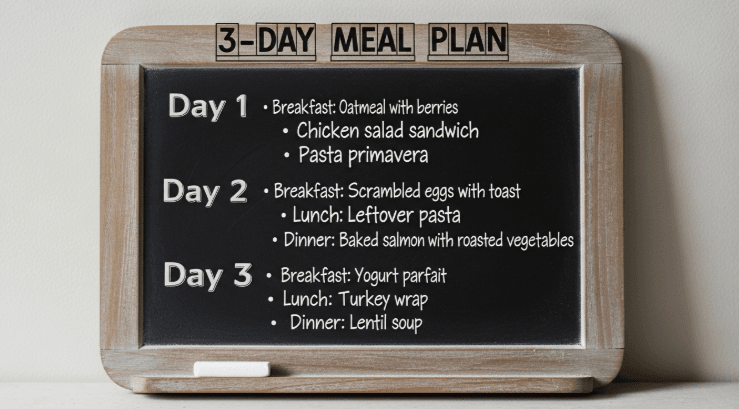
My routine changed dramatically once I stopped trying to plan for seven days. Now, I only plan my meals for about three days ahead. This small adjustment was a huge relief. It frees up my weekend for other things. I can worry about the menu on Tuesday instead of Sunday. More importantly, shorter planning means I stop wasting food. Planning for short periods can significantly reduce food waste and improve overall health, as studies show. My approach is simple: be accurate about what your family will actually finish. This three-day window drastically cut my grocery overspending. You are more focused when you only look ahead a few days.
My Two Best Money-Saving Habits at the Checkout!
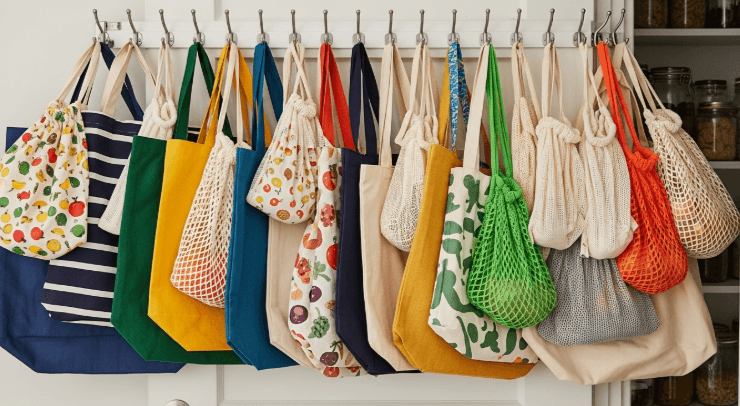
The main reason I stick with this routine is the money I save. Impulse buying used to be my downfall. Those little items by the register really sneak up on you, don’t they? Now, I use a simple, laminated checklist taped inside my pantry. Before I leave, I quickly check off my reusable bags and my empty jars.
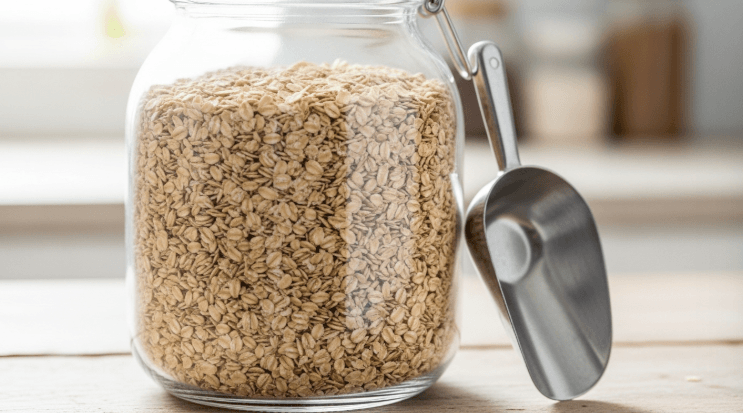
This simple preparation prevents me from making expensive, last-minute purchases. I also learned to be smart about bulk buying. I only buy bulk for items we consume quickly, like flour or nuts. If it sits too long, the savings are lost to food waste. I noticed that when I buy ingredients that are naturally in season, they taste better. For instance, peak-season tomatoes burst with flavor. This often means they need less sauce or seasoning. It’s a quiet way to reduce my monthly costs. I estimate that by eliminating impulse buys and reducing food spoilage, I save about $25 every month. I found that I could locate the local refill shops simply by searching online maps for “refill station” or “bulk store” in my neighborhood.
How I Made My Zero Waste Journey Stick for Good!
It can feel lonely when you’re the only person worrying about trash. My biggest hurdle was getting my family on board without nagging them. I learned I couldn’t demand change; I had to invite participation. I gave my children the small but important job of bringing the empty produce bags back into the house. They are now part of the routine.
I also had to accept that I wouldn’t always be perfect. I still occasionally forget a jar or container! When that happens, I don’t give myself a hard time. I just choose the item with the minimal packaging. My favorite tip is focusing on celebrating the small wins, not the failures. Did I remember my coffee cup for four days straight? That’s a huge success. Sustained change comes from being consistent, not from being faultless. If you want to make Zero Waste part of your life, try to find a fun, local refill shop near you this week. That single step can make all the difference.
[Read More]