I used to look at my bathroom cabinet and feel a heavy sigh rise up. It wasn’t the clutter; it was the graveyard of empty plastic bottles. I counted 14 bottles one time—shampoo, conditioner, face wash, body wash—all lined up for the bin.
I desperately wanted to go “zero waste,” but the sheer number of things to buy and change felt like a whole second job. Maybe you’ve felt that overwhelming pressure too? Trying to tackle your entire routine at once can be exhausting, and it often leads to abandoning the effort entirely.
Just a quick note: This is my personal routine and what worked for me. I’m not a doctor or an environmental expert—just a mom who wanted a simpler, cheaper life. For more context on why these small steps matter, I recommend reading about the general zero-waste mindset on the National Geographic site.
My breakthrough came when I stopped searching for “the perfect system” and focused on three surprisingly simple changes. The first and most important step was letting go of the need for an instant, total overhaul.
My Rule 1: Stop Trying to Change Everything at Once
I used to spend hours online researching the best bar soap, the best refillable deodorant, and the best bamboo toothbrush. I’d buy five new things at once, feel guilty when one didn’t work, and then go back to my plastic bottles feeling like a failure. That’s how I wasted about $40 on things I didn’t actually use.
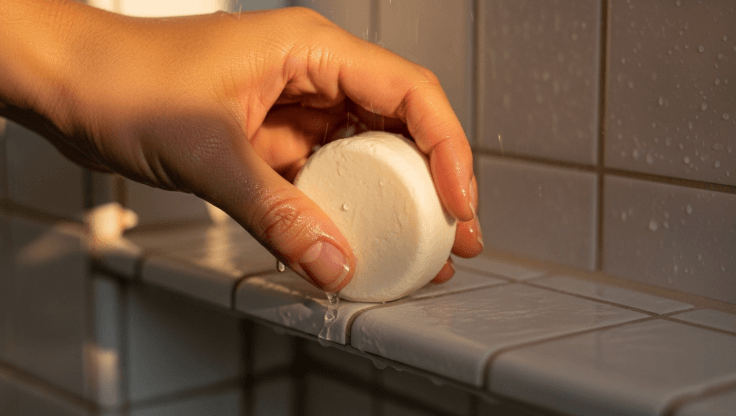
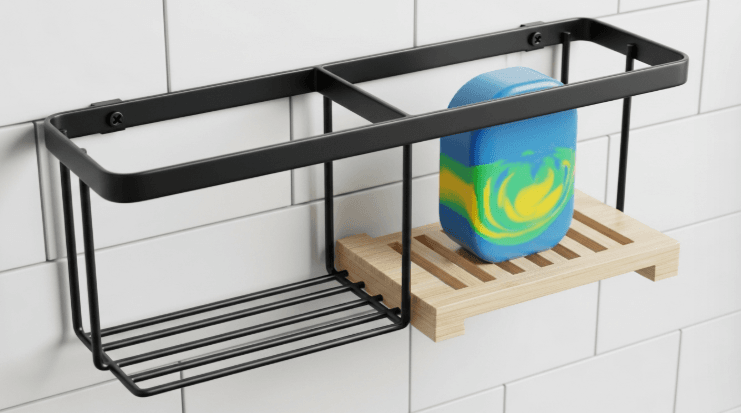
I chose to start with just one thing: my liquid shampoo. I bought a solid shampoo bar from my local natural store. That was it for the first two months. I didn’t touch my conditioner or body wash until the liquid shampoo bottle was truly empty. This gave me one small, easy win and built my confidence immediately.
Why this approach works so well:
- Why this works: The zero-waste community calls this the “category-by-category approach,” but for me, it just felt less scary. You’re swapping out a familiar product (shampoo) for its solid twin. There’s no complicated process, just a slightly different feel in your hand. This low-risk start builds momentum without the stress.
- Why other methods fail: Trying to switch everything at once triggers an “all or nothing” mindset. If your new toothbrush doesn’t feel right, you might give up on the whole effort. By isolating the change, a bad bar doesn’t ruin the whole journey. You can simply try a different bar next time.
- Why I chose shampoo: Shampoo and body wash bottles are often the largest and most frequent plastic offenders in my shower. Targeting them first made the most visual and emotional impact when I saw my first empty shower corner. This small achievement motivated me to continue.
Before, I bought a new $12 shampoo bottle every six weeks. My $15 shampoo bar now lasts almost four months. I get to use the product for much longer, which feels more sustainable.
Savings: I save roughly $8 per month just by ditching the plastic shampoo bottle. Over a year, that’s almost $100 back in my pocket.
I felt great about this simple start. But I still had a problem with the plastic lurking outside my shower. The next rule tackled the hardest plastic to quit: the small, fiddly bits we buy constantly.
My Rule 2: Embrace Tablets for Liquids
My dentist told me I needed to switch toothpaste. I’d bought a new tube every month for years. Worse, the tiny plastic tubes of specialized face wash and toilet cleaner always felt impossible to recycle. I hated the thought of all that plastic going straight to the landfill. The frustration peaked when I drove 20 minutes to a specialty refill store once, only to realize I’d forgotten my refill bottles at home.
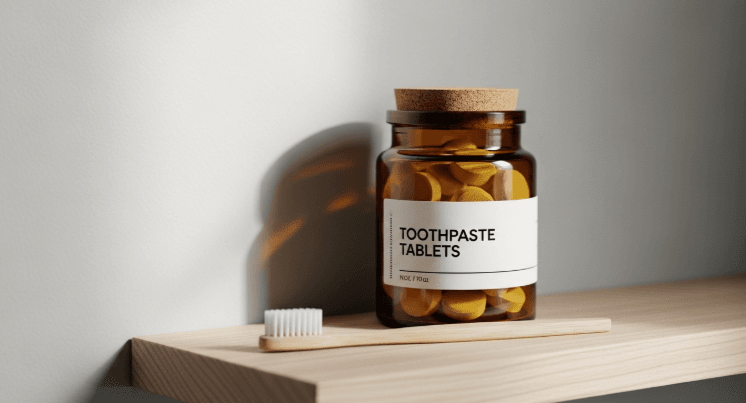
I switched my toothpaste and my household cleaners to tablet and powder forms. Brands like Blueland for cleaners and Bite for toothpaste made it incredibly easy. You just drop a little tablet into water for cleaner, or chew a little minty bit for toothpaste. They arrive in paper or cardboard packaging, not plastic, which is much easier to manage at home. If you’re curious about the cost analysis of this vs. conventional products, the environmental and financial benefits are often surprising.
Why this approach works so well:
- Why this works: When you buy a liquid product, you are mostly paying for water. Water is heavy, which means more carbon emissions for shipping and more bulky plastic packaging. Tablets are light and concentrated. By choosing tabs, you’re instantly cutting the unnecessary water and the plastic shell needed to contain it.
- Why other methods fail: Refilling can be perfect, but it requires a consistent time commitment and planning (as I learned with the forgotten bottles). Tablets require zero planning once you get your initial jar. It sits on your counter, ready to go, removing the barrier of having to plan an errand.
- Why I chose tabs: My initial goal was to reduce the volume of single-use plastic. Switching the large shampoo bottle (Rule 1) was great, but the cumulative effect of small, frequent plastic items (like toothpaste tubes) is just as bad. Tabs solved this high-frequency, low-volume problem instantly.
I used to spend $5 per month on toothpaste and $8 per month on spray cleaner. Now I spend about $12 on a three-month refill supply of both. The upfront cost can be higher, but the long-term savings are clear.
Savings: I save roughly $4 per month and have eliminated two more sources of constant plastic waste.
Now that I handled the frequent-use consumables, only one category was left: the tools. It turned out, switching my reusable tools was the key to eliminating my biggest weakness—the emergency run to the drugstore.
My Rule 3: Invest in the Right Reusable Tools
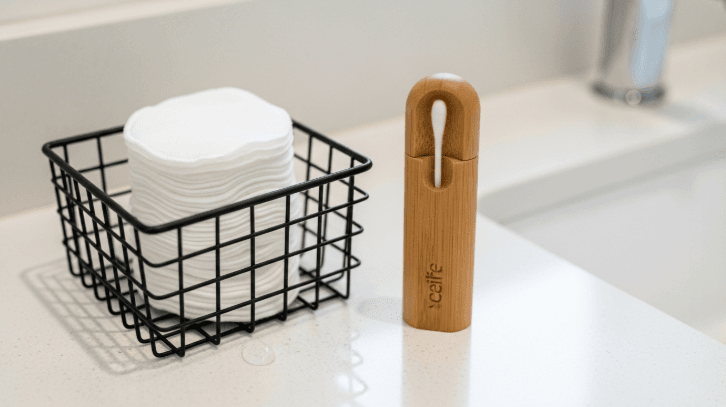
My failure point was always the same: cotton swabs and cotton rounds. I needed them for makeup, first aid, or just cleaning my ears. I’d buy a box, use them up, and then forget to put them on my list until I needed them, forcing an emergency trip to a nearby store. That store always sells the plastic-stemmed, plastic-packaged swabs, and I felt I had to buy them.
I invested in one set of quality reusable cotton rounds and a reusable swab (like a LastSwab). This was a mental shift from “consumable” to “appliance.” I designated one spot on my counter, right next to my toothbrush, for the reusable items. After use, I toss the round into a small mesh bag that goes straight into the laundry. Lochtree has a great guide on these reusable bathroom essentials if you need help finding options.
Why this approach works so well:
- Why this works: The key is making the reusable item more convenient than the disposable one. If the disposable item is out of sight, out of mind, you’re forced to use the reusable one because it’s right there. You remove the “emergency run” and the subsequent plastic impulse buy. The $12 reusable swab may seem expensive, but you buy it once and use it for years.
- Why other methods fail: Simply buying a cardboard-stemmed cotton swab still means constant re-buying, paper waste, and the risk of running out. It doesn’t solve the convenience problem or the forgetfulness problem. Reusable tools address the psychological barrier of depletion.
- Why I chose this investment: I chose this investment because the financial payoff is immediate and clear. A reusable item with a defined lifespan (like 1,000 uses) means I can literally calculate the cents saved per use, which is very motivating and rewarding.
Before, I spent $6 every two months on disposable cotton rounds and swabs. My initial investment of $25 is already paying for itself, as I no longer make those panic purchases.
Savings: I save roughly $3 per month and eliminated my most common plastic panic purchase.
The total monthly savings aren’t massive, but the change in my peace of mind? That’s priceless.
Your First Step Today
I still find myself staring at empty bottles sometimes, wishing I had moved faster. But that’s the reality—it’s a journey, not a destination. I still occasionally forget my shopping bag or use a plastic bag at the store.
But if I were to start this zero-waste journey over again today, I wouldn’t spend hours on research. I wouldn’t worry about the perfect organic bamboo anything. I would simply ask myself one question: Which single liquid product am I running low on right now?
Go check your shower. Is your shampoo bottle almost empty? Good. Your task is not to change your whole routine. Your task is to simply buy the solid bar version of that product next time you shop. That’s the only step you need to take this week.
Try the bar soap this week and see how it feels. Then, maybe in a month, you can tackle the toothpaste. I’d love to hear what easy win you found in your own bathroom. Let me know in the comments how your first week goes!