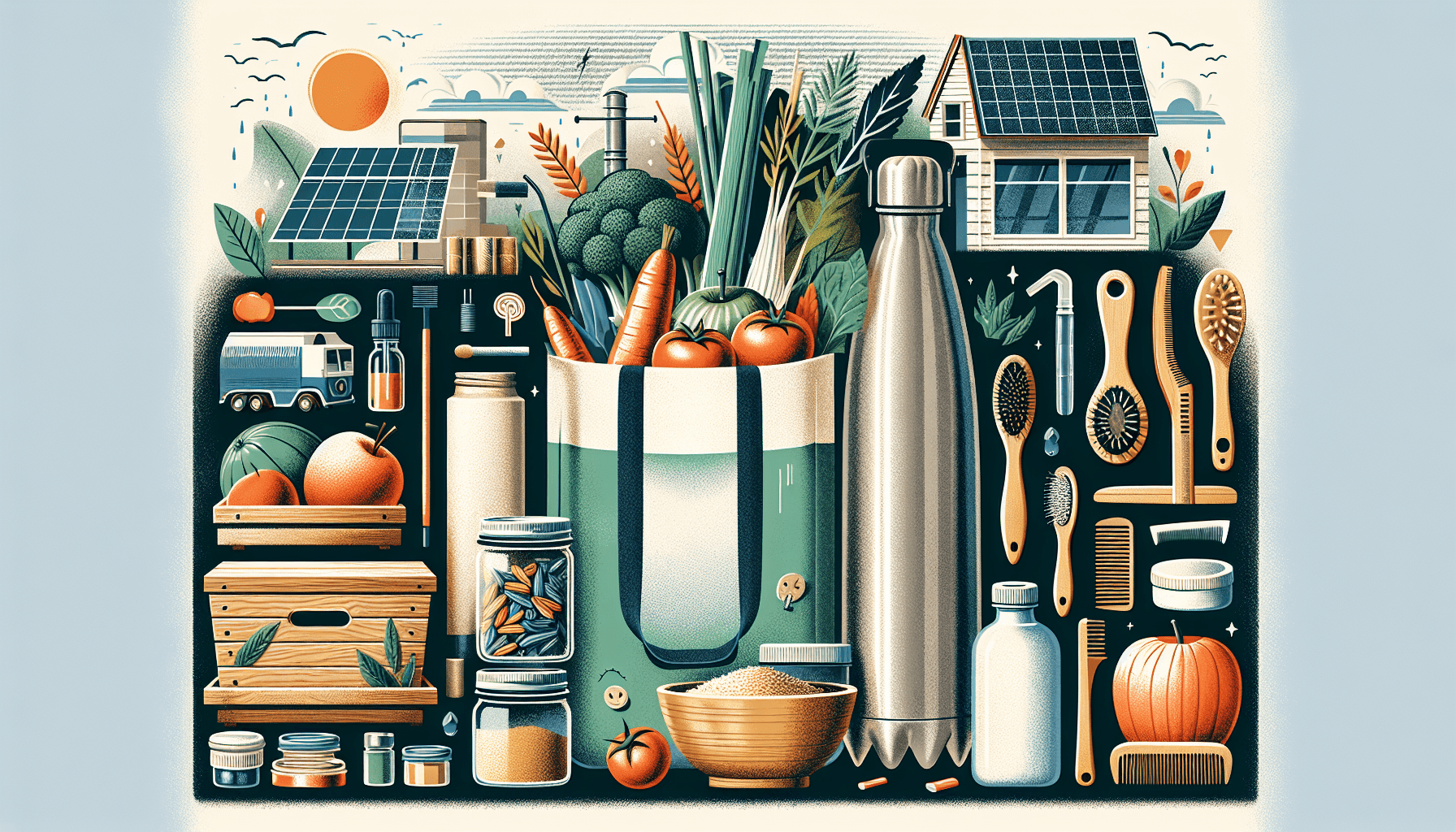
1. Refuse Single-Use Items and Freebies
A fundamental principle of zero-waste living involves declining unnecessary items. Say “no” to plastic bags, disposable straws, napkins, cutlery, and excess packaging when shopping. Businesses often notice when customers bring their own alternatives, signaling reduced demand for these disposable goods. Additionally, decline promotional pens or plastic gadgets from conferences, stores, and events. Every freebie accepted contributes to its production and eventual waste. Instead, carry reusable items such as cloth shopping bags, metal or bamboo straws, bamboo utensils, and cloth napkins. This simple habit prevents waste from entering your home in the first place.
2. Plan Weekly Meals and Shop with Lists
Effective meal planning before grocery shopping significantly reduces both food waste and packaging. Create a detailed weekly meal plan, including dinners, lunches, snacks, coffee, and tea. Based on this plan, make a precise shopping list and commit to it. This strategy helps avoid impulse purchases, which often lead to spoiled food and unnecessary packaging. Starting with simple recipes and gradually moving to more complex ones can make this transition smoother. This practice also prevents buying duplicate items or more than you actually need.
3. Shop in Bulk and Bring Reusable Containers
Reducing packaging is a major step in minimizing household waste. Packaging and containers constituted about 28% of total municipal solid waste generation in the U.S. in 2020, according to the EPA. Many larger grocery stores and specialized retailers are increasing their bulk sections, offering items like rice, pasta, beans, coffee, tea, nuts, flour, sugar, spices, and oils. When shopping, bring clean glass jars, cloth bags, or old containers. Ask staff to weigh your empty containers first and record the tare weight. For deli or bakery items, request that staff place sliced meat, cheese, or fresh bread directly into your clean containers. Many stores accommodate this approach, which completely eliminates single-use packaging and allows you to purchase exact quantities. However, the availability of bulk sections can vary significantly by region and store type across the U.S.
4. Replace Disposable Products with Durable Reusables
Systematically switch from disposable items to high-quality, long-lasting alternatives. Opt for cloth napkins and sturdy dishtowels instead of paper towels. Replace plastic food wrap with reusable beeswax wraps or silicone covers. Choose glass or stainless steel options over plastic for food storage. Use metal, glass, or bamboo straws rather than single-use plastic ones. Investing in reusable shopping totes, cloth grocery bags, refillable water bottles, travel mugs, and cloth handkerchiefs offers long-term benefits. While these items require an upfront cost, they quickly save money because you won’t repeatedly purchase disposable versions. Your trash output will noticeably decrease as you collect these reusables.
5. Implement a Composting System
Composting significantly reduces household waste. Food waste alone made up about 22% of municipal solid waste in the U.S. in 2020, as reported by the EPA. You can compost fruit and vegetable peels, coffee grounds, eggshells, tea bags, and all yard trimmings. If outdoor space is limited, explore indoor options like vermicomposting (using worms) or bokashi composting systems. Finished compost enriches garden soil, which reduces the need for chemical fertilizers and saves money on soil treatments. Even apartment dwellers can participate through community gardens or by using indoor worm composting bins. Keep in mind that access to community composting programs and local regulations can vary by city and state.
6. Embrace Digital Solutions and Go Paperless
Transitioning to digital formats can drastically cut down on paper waste in your home. Choose e-books and digital publications instead of purchasing printed books and magazines. Opt for digital bills and statements from banks and utility companies. Use cloud storage services such as Google Drive, Dropbox, or Microsoft OneDrive to store and share documents, eliminating the need for physical copies. When signing documents, request e-signatures through services like DocuSign, which removes the need for printing and scanning. This shift also streamlines organization and makes information more accessible.
7. Repair and Reuse Items
Before discarding a broken item, consider whether it can be repaired or repurposed. Many everyday objects, from clothing and electronics to furniture and appliances, can often be fixed with a little effort or professional help. Explore local repair shops, community repair cafes, or online tutorials for guidance. If an item is beyond repair, consider repurposing it. An old t-shirt might become a cleaning rag, or a worn-out tire could transform into a garden planter. Extending the lifespan of products through repair and reuse reduces consumption and minimizes waste destined for landfills.
8. Make Thoughtful Purchases
Every purchase impacts your waste output. Before buying something new, ask yourself if you truly need it. Prioritize items made from recycled materials, those designed for durability, and products with minimal or zero packaging. Support brands committed to sustainable practices and ethical production. When possible, choose products that are locally sourced to reduce transportation emissions and packaging. Buying fewer, higher-quality items not only reduces waste but often saves money in the long run. This mindful approach helps prevent impulse buys and unnecessary consumption.
9. Advocate for Systemic Change
Individual actions are important, but systemic change creates broader impact. Support local businesses that prioritize sustainable practices, offer bulk options, or use eco-friendly packaging. Engage with local government officials to advocate for improved recycling infrastructure, community composting programs, and policies that encourage waste reduction. Share your zero-waste journey and tips with friends and family, inspiring others to adopt similar habits. Joining local environmental groups or participating in clean-up initiatives also contributes to a larger movement for a healthier planet.
10. Educate Yourself Continuously
The journey towards zero waste is ongoing and involves continuous learning. Stay informed about new sustainable products, emerging waste reduction techniques, and environmental policies. Read books, blogs, and documentaries on sustainability. Connect with online communities or local groups dedicated to zero waste. Understanding the broader context of waste and its environmental impact strengthens your commitment. This continuous education empowers you to make increasingly impactful choices and adapt your lifestyle as new information and solutions become available.
Navigating the Challenges of Zero Waste
Transitioning to a zero-waste lifestyle presents several common hurdles. Initial costs can be a barrier; reusable products often cost more upfront than their disposable counterparts. However, these items typically offer long-term savings. Time investment is another factor; planning meals, shopping in bulk, and making items from scratch require more time than convenient, pre-packaged options. Convincing family members to adopt new habits can also be challenging. Starting with small, manageable changes and focusing on communication helps in gaining their buy-in. Furthermore, accessibility to bulk stores or composting facilities varies significantly by location. In areas with fewer options, creativity and seeking out specialized online retailers become crucial. Acknowledge these challenges and approach them with patience and adaptability, celebrating small victories along the way.