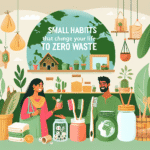
When I first started to explore a zero-waste lifestyle, I honestly felt a bit overwhelmed. The idea of completely changing all my habits overnight seemed impossible. What I’ve learned, though, is that it’s not about perfect, dramatic shifts. Instead, it’s about taking small, intentional steps. These adjustments, over time, can build into real environmental benefits and personal satisfaction. Behavioral science backs this up, showing that tiny, consistent adjustments are more effective and sustainable for forming new habits than large, overwhelming changes. They become automatic parts of your daily routine, making sustainability genuinely achievable.
Start with Reusable Essentials
The foundation for a less wasteful life truly begins with swapping single-use items for reusable ones. One of the simplest yet most impactful changes I made was consistently carrying reusable shopping bags. As of late 2025, an estimated 5 trillion plastic bags are used globally each year. These bags can take anywhere from 10 to 20 years to decompose in the ocean, and up to 1000 years in landfills. Recognizing this, many places across the U.S. have introduced bans or fees on single-use plastic bags; for instance, Colorado and Rhode Island implemented state-wide bans in early 2024.
To ensure I was never without a reusable bag, I found keeping one consistently accessible, like in my car or backpack, made all the difference. This simple habit, along with using reusable produce bags for fruits and vegetables, significantly cut down my plastic use. It felt good to actively reduce my contribution to plastic waste.
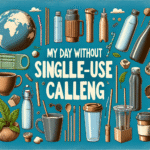
Investing in a refillable water bottle was another simple yet effective choice. Disposable plastic water bottles can take approximately 450 years to decompose, releasing microplastics that persist indefinitely in our environment. Carrying a reusable bottle has not only reduced my plastic consumption but also saves money on bottled water. It’s a small change that offers daily environmental and financial returns.
Rethink Your Kitchen Habits
The kitchen often holds many opportunities for waste reduction. I started by replacing plastic wrap with reusable alternatives like beeswax wraps or silicone lids. This minor switch immediately cut down on a common single-use plastic in my home. Beyond that, I also looked into how I was storing food.
Moving away from disposable plastic containers to glass jars and stainless steel containers made a big difference. Glass jars are especially versatile; I use them for bulk pantry staples, meal prepping, and even as leftover storage. These choices not only reduce plastic waste but often keep food fresher for longer. They also give my pantry a much cleaner, more organized look.
Consider Your Daily Commute and Routines
Beyond the home, daily routines present further chances to reduce waste. For coffee lovers, bringing a reusable travel mug to cafes is an easy win. Many coffee shops even offer a small discount for doing so, which is a nice bonus. This avoids the waste from disposable coffee cups, which often have plastic linings and are difficult to recycle.
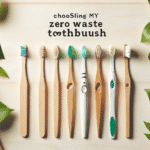
Another area I focused on was my personal care products. Swapping out plastic toothbrushes for bamboo ones and exploring refillable options for shampoo, conditioner, and soap has made a noticeable impact. These small shifts in everyday items add up, diverting significant amounts of plastic from landfills and oceans. The goal isn’t perfection, but consistent, mindful action.