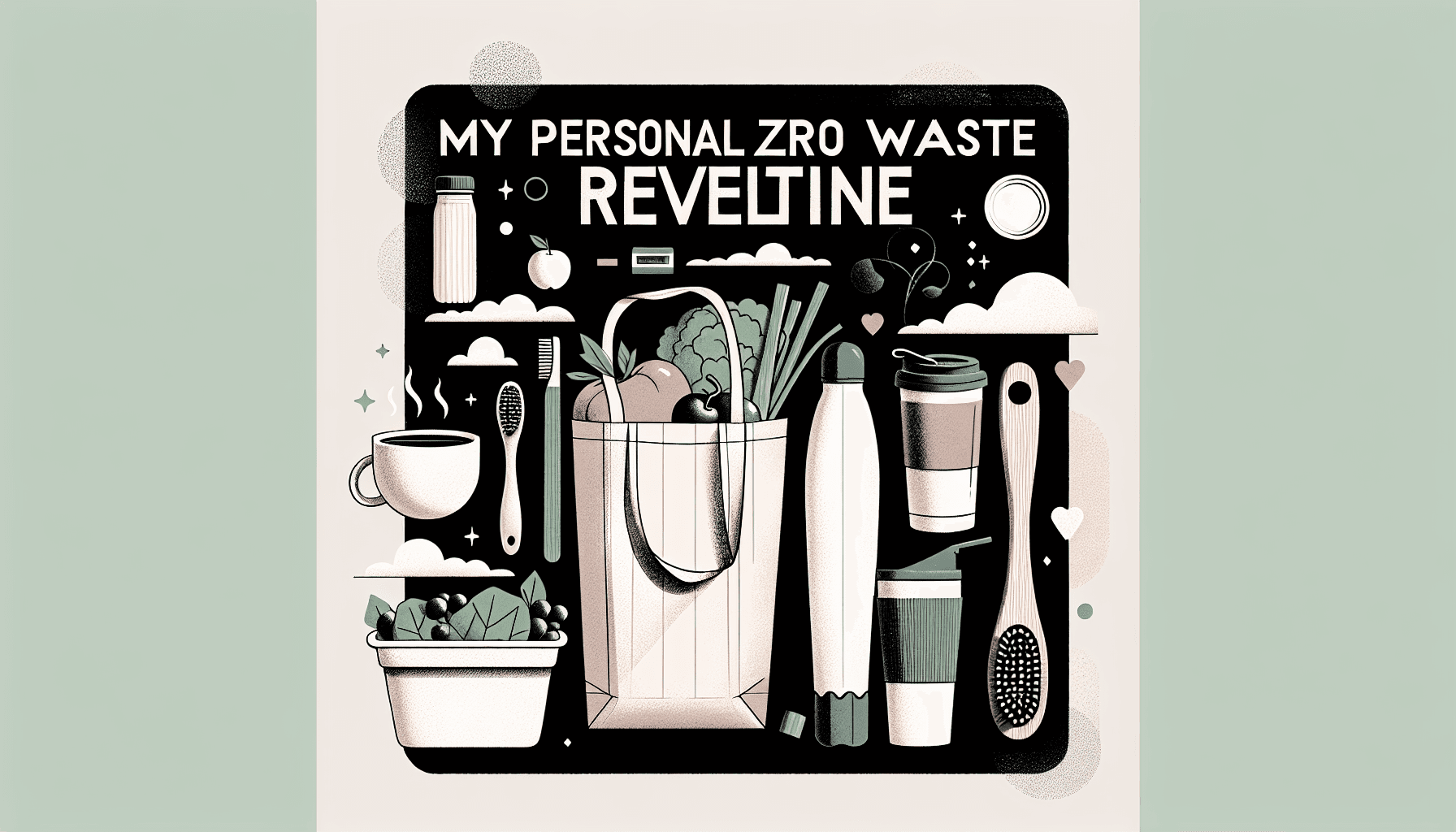
Building a personal zero-waste routine means turning everyday actions into a more sustainable way of living. This approach helps reduce your environmental footprint, and often saves money and time too. Instead of a rigid system, effective zero-waste living adjusts to individual situations, preferences, and what’s available locally, all while sticking to the core ideas of refusing, reducing, reusing, and recycling.
As of late 2025, integrating these practices into your day is more important than ever. This guide shares practical steps for a zero-waste routine you can adapt.
Morning Routine: Starting with Purpose
How you begin your day can influence your entire waste output. Consider preparing the night before. Fill a reusable water bottle or cup, so it’s ready first thing in the morning. This simple proactive step helps avoid reaching for disposable cups or bottles when you’re thirsty.
Morning Bathroom Habits
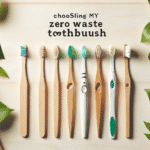
Conserve water by turning off the tap while brushing your teeth. Use a cup for rinsing instead of letting the water run. If you shower in the morning, keep it brief, activating hot water only when needed. Switch to a bamboo toothbrush instead of plastic. Americans discard about 1 billion plastic toothbrushes annually, contributing significantly to plastic waste. Opt for natural, low-waste toothpaste in glass or metal containers over plastic tubes. Replace disposable cotton pads with reusable organic cotton or bamboo alternatives for your skincare routine. These small changes help reduce waste daily.
Zero-Waste Breakfast
Prepare breakfast using bulk items you already have. Keep bulk oats or cereal in glass jars, bypassing individually packaged boxes. Brew coffee with a reusable filter or a French press, eliminating paper filters. If you drink tea, consider loose-leaf options. These can be more cost-effective over time and drastically cut down on single-use tea bags. Choose cloth napkins instead of paper towels. This breakfast approach generally takes the same amount of time as traditional methods but generates no waste.
Preparing to Leave Home
Before stepping out, gather your zero-waste essentials. This kit should include reusable shopping bags, a water bottle, a travel coffee cup, and reusable containers. Store this kit in a consistent spot, so packing it becomes an automatic habit. If possible, opt for a green commute by walking, biking, or using public transit. This helps reduce carbon emissions right from the start of your day.
Midday Routine: Work and Lunch
Packing a Zero-Waste Lunch
For those who work outside the home, lunchtime often presents a major opportunity to reduce waste. Use a durable, insulated reusable lunchbox or bag instead of disposable paper or plastic bags. While specific figures vary, waste-free packed lunches can save nearly $250 per person annually.
Choose reusable containers made from glass, stainless steel, or bamboo, bypassing plastic wrap or sandwich bags. Pack metal utensils from home in a small carrying case to avoid disposable plastic cutlery. Always include a cloth napkin. Skip pre-packaged individual portions like cheese sticks or granola bars. These typically generate unnecessary packaging waste. Instead, portion home-prepared foods into your reusable containers.
Sustainable Drinks and Snacks
Keep your reusable water bottle filled throughout the day. If you enjoy coffee or tea, use your travel mug at cafes that allow it, or brew your own at work. For snacks, bring fruit, nuts, or homemade energy balls stored in small reusable containers. This avoids the wrappers and plastic packaging common with store-bought snacks. Remember, every time you choose reusable over disposable, you’re making a tangible difference.
Late Afternoon & Evening Routine: Winding Down Sustainably
Conscious Shopping and Errands
If you run errands after work, always bring your reusable shopping bags. At the grocery store, try to buy produce without plastic bags, or use your own mesh produce bags. Look for items in bulk sections for dry goods like grains, nuts, and spices. If you need cleaning supplies, consider refill stations or make your own with basic ingredients like vinegar and baking soda. Being prepared for these moments prevents impulse buys of packaged goods.
Zero-Waste Dinner and Kitchen Clean-up
For dinner, focus on cooking meals with fresh, unpackaged ingredients. Plan your meals to use up leftovers and minimize food waste. Store any remaining food in reusable containers, never plastic wrap. When cleaning up, use reusable dishcloths or sponges made from natural materials instead of disposable paper towels. If you have food scraps, start a compost bin. This diverts organic waste from landfills, where it would otherwise produce methane, a potent greenhouse gas.
Nighttime Refresh and Preparation
Before bed, ensure your personal items are ready for the next day. Re-fill your water bottle. Lay out your reusable coffee cup and lunch containers. Consider making your own beauty products like face masks or toners from natural ingredients to avoid packaged store-bought versions. A final check ensures your waste bins are properly sorted for recycling and composting.
Making Zero Waste Your Own
Adopting a zero-waste lifestyle isn’t about perfection; it’s about making thoughtful choices consistently. It’s okay to start small and gradually integrate more practices as you become comfortable. What works for one person might not suit another, so experiment to find what fits your life and local environment best. Every effort to reduce waste contributes to a healthier planet. By incorporating these habits, you’ll find that living with less waste is not only achievable but also incredibly rewarding.