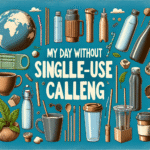
When I first scrolled past a “No Single-Use September” challenge a few months ago, honestly, I was a bit skeptical. The idea of living a day without any single-use items felt overwhelming, almost impossible in our modern world. Yet, with all the recent discussions about plastic waste clogging up our oceans and landfills, especially after seeing recent reports highlighting the escalating global plastic crisis, a part of me felt compelled to try. I mean, could I really go a full 24 hours without a disposable coffee cup, a plastic bag, or even a tear-off paper towel? That thought alone sparked a mix of dread and curiosity.
My initial reaction was that this kind of lifestyle seemed reserved for dedicated environmentalists, not someone like me who often grabbed a quick lunch on the go. But the more I thought about it, the more I realized it wasn’t about perfection, but about awareness and small changes. So, I decided to tackle the “My Day Without Single-Use Items Challenge” head-on. It wasn’t just a personal experiment; it was my way of grappling with the sheer volume of disposable stuff we encounter every single day. Looking back, what I learned was far more profound than just avoiding plastic.
The Morning Rush: Reusable Resolutions Put to the Test
My day started with a strategic morning routine. I usually grab a coffee on my way to work, but for this challenge, that was out. Instead, I brewed my own at home, pouring it into a trusty reusable travel mug. This felt like a small victory, but it also meant an extra five minutes added to my morning, which, to be honest, I hadn’t quite factored in. The first real test came with breakfast. No individually wrapped granola bars or yogurt cups. I opted for oatmeal from a large container, topped with fruit from a bag I’d bought at the farmer’s market the weekend before.
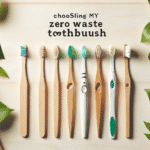
Here’s what caught my attention: how many little things we use once and toss without thinking. A cotton swab, a tissue, even the plastic cap on my toothpaste. I realized I needed a solid system. I used a reusable cloth instead of paper towels, and even switched to a bamboo toothbrush for the day, which I had lying around. The biggest hurdle, surprisingly, was my usual habit of tearing off a fresh piece of paper towel after washing my hands. It’s ingrained! I found myself reaching for it, then stopping, and instead grabbing a small hand towel I’d strategically placed nearby. This seemingly minor adjustment highlighted just how much our environment shapes our habits.
Lunchtime Labyrinth: Navigating Takeout Traps
Lunch usually meant a quick run to a cafe for a sandwich or a takeout salad, invariably packed in plastic. This was the part that got me thinking the most about how challenging this really is for many people. To avoid this, I prepared my lunch at home: a homemade sandwich wrapped in a beeswax wrap and some sliced vegetables in a small reusable container. I also remembered my reusable water bottle – a non-negotiable for this challenge.
Walking through the office kitchen during lunchtime was an eye-opener. Everyone else had their pre-packaged meals, plastic forks, and paper napkins. I actually felt a little self-conscious pulling out my beeswax-wrapped sandwich, but then I remembered why I was doing this. Later, a colleague asked why I wasn’t joining them for a quick takeout run. Explaining the challenge led to an interesting conversation about how difficult it is to find truly zero-waste takeout options, especially if you haven’t planned ahead. A 2023 report by the UNEP highlighted that packaging makes up a significant portion of urban waste, underscoring the daily choices we face. It’s not just about individual effort; it’s about the systemic availability of alternatives.
I also realized how much I relied on disposable cutlery. My guess is that many people don’t carry their own, and cafes often don’t offer durable alternatives. This really underscores the need for businesses to step up and offer more sustainable choices. It felt like a small personal win, but also a stark reminder of the broader “eco-unfriendly” landscape we navigate daily.
Afternoon Errands and Evening Reflections: Unexpected Challenges
My afternoon involved a quick trip to the grocery store. This is where the reusable shopping bags came into play, of course. But what about everything *inside* the bags? Fresh produce was easy enough – I brought my own mesh produce bags. However, buying things like pasta, rice, or snacks without plastic packaging was nearly impossible at my regular supermarket. This got me thinking about the lack of bulk sections in many conventional stores, which are crucial for truly reducing single-use packaging.
I ended up buying some items in glass jars, which are at least reusable or easily recyclable, but it definitely limited my choices. After watching this unfold, I realized that while individual actions are important, a major shift needs to happen on the retail side. As of late 2024, many cities are still struggling to implement widespread bulk-shopping options, making a completely package-free grocery run a significant challenge for most. It’s a collective effort, for sure. When I got home, I had to resist the urge to use a plastic-wrapped sponge for cleaning. Instead, I used a wooden dish brush I’d bought ages ago and forgotten about.
The evening brought its own set of minor hurdles. No take-out containers for dinner, obviously. I cooked a meal from scratch using ingredients from my earlier, carefully planned grocery trip. Even simple things like using a plastic pump dispenser for hand soap made me pause; I opted for a bar of soap instead. Before hitting the hay, I noticed the roll of toilet paper, which often comes wrapped in plastic. While the paper itself isn’t single-use in the same way, the packaging is a clear culprit. I made a mental note to look for plastic-free toilet paper brands next time, showing that even in the final moments of the day, there were still opportunities for improvement.
My Honest Take: The Bigger Picture
Looking at all this now, my day without single-use items was far from perfect, but it was incredibly insightful. The biggest surprise was how many opportunities there are to choose reusables, even in small ways, but also how much default infrastructure pushes us towards disposables. I thought at first it would be about deprivation, but it was more about thoughtful planning and being prepared.
This challenge isn’t just about feeling good about our individual choices; it’s about understanding the systemic issues that make avoiding single-use items so hard. It highlights the need for businesses to offer more sustainable packaging and for cities to expand infrastructure like composting and bulk stores. While it’s great to bring your own coffee cup, the real game-changer would be if every cafe offered a sturdy reusable mug program, and recent initiatives in places like Berlin and Vancouver, launched in late 2024 and early 2025, show this is slowly gaining traction.
My take on this is that embracing a single-use-free lifestyle takes effort and a shift in mindset, but it’s absolutely doable, even if just for a day. It forces you to pause, plan, and consciously choose alternatives. It was confusing at first to break so many habits, but by the end of the day, I felt a sense of accomplishment. This experience wasn’t about completely eliminating waste in 24 hours; it was about fostering awareness and sparking a conversation about how we can collectively move towards a more sustainable future, one reusable choice at a time.