When I first started thinking about cutting down on waste in my kitchen, honestly, it felt like an overwhelming mountain to climb. The idea of “zero waste” often conjures images of perfectly minimalist homes and complicated systems, but the truth is, it’s really about making small, achievable shifts in our everyday habits, especially when it comes to groceries and food preparation. As we move into 2024 and 2025, embracing a zero-waste mindset isn’t just a niche trend; it’s becoming a practical and increasingly accessible way to live more sustainably.
The Evolving Zero-Waste Scene in 2024-2025: More Than Just Reusable Bags
The zero-waste movement has definitely come a long way. What used to be mainly about remembering your reusable shopping bags is now a much broader landscape, thanks to more businesses and communities getting on board. In 2024 and 2025, we’re seeing exciting innovations that make plastic-free living much easier. For instance, bio-based materials like those made from algae or mushrooms are gaining traction as eco-friendly, biodegradable alternatives to traditional plastics. We’re also seeing a stronger push towards a “circular economy,” where products are designed for reuse and recycling from the start, with brands adopting rental, repair, and take-back models.
Refillery services and package-free stores are also becoming more common. These shops allow you to bring your own containers for everything from grains and spices to cleaning products, significantly reducing single-use packaging. In fact, refill offerings in markets like the UK, Germany, and the U.S. saw a massive increase of up to 279% between 2017 and 2023, with packaging analysts forecasting the refillable/reusable packaging market to grow by 5% annually, reaching $53.5 billion by 2027. Beyond just retail, some cities are also actively expanding community composting initiatives, diverting organic waste from landfills and creating nutrient-rich soil.
Smart Grocery Shopping: Cutting Waste Before It Starts
The journey to a zero-waste kitchen really begins before you even step foot in a store. I’ve found that a bit of planning goes a long way. Start by doing a quick inventory of your pantry and fridge, then plan your meals for the week. This helps you create a precise shopping list, so you only buy what you need and prevent impulse purchases that often lead to food waste and excess packaging.
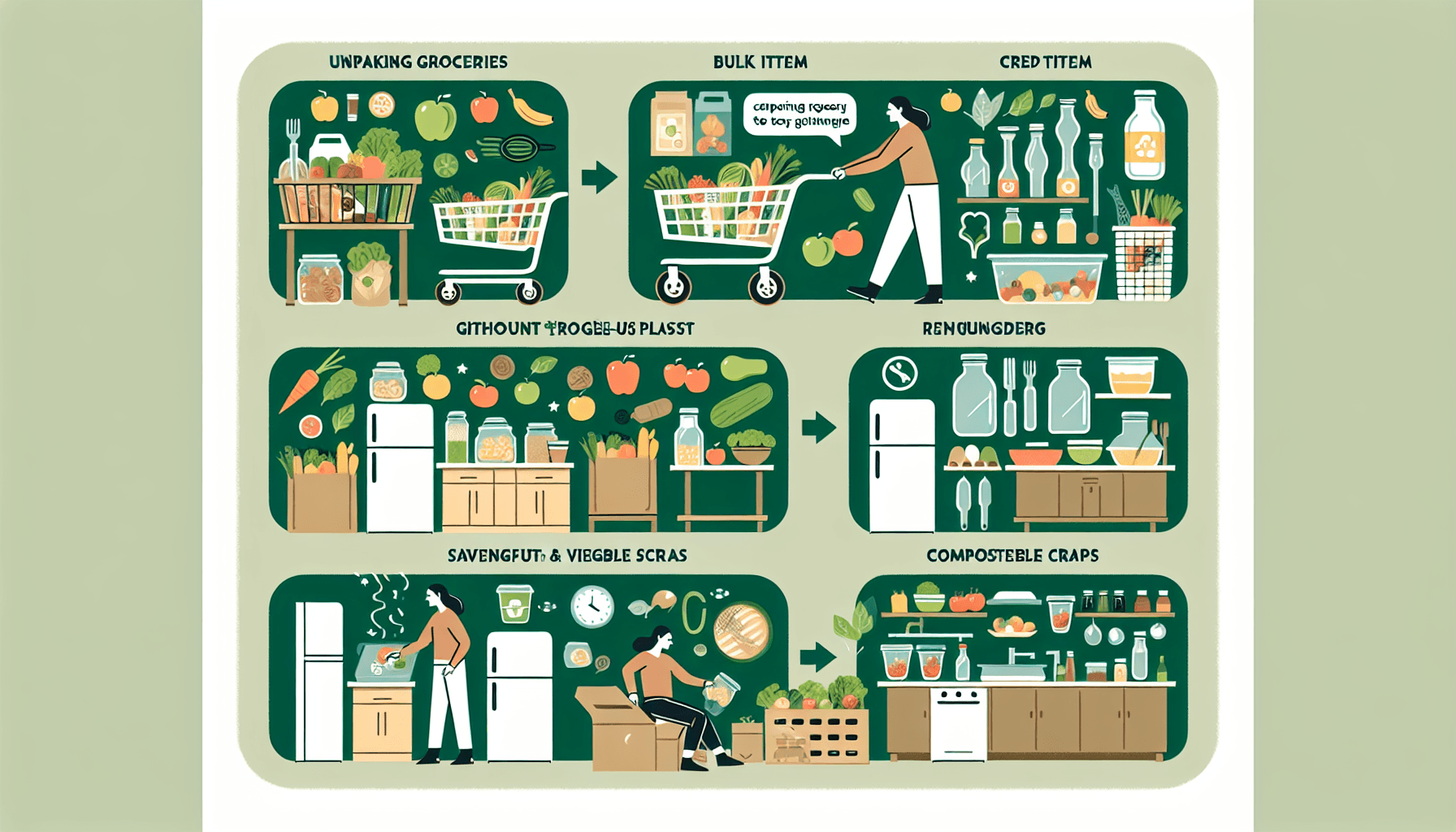
When you head to the store, make sure you’re equipped. Reusable grocery bags are a given, but don’t forget reusable produce bags for loose fruits and vegetables, and even your own containers for items like deli meats or baked goods. I distinctly remember my first time asking the bakery to put a fresh loaf directly into my beeswax wrap; it felt a bit awkward, but the staff were surprisingly accommodating! Many bulk stores will allow you to weigh your empty containers before filling them with dry goods like pasta, nuts, or spices, saving you money by only paying for the product itself. Choosing items with minimal packaging, like those in glass, metal, or cardboard, is also a smart move, as these materials are more easily recyclable. Don’t shy away from “ugly” produce either, as it helps reduce food waste at the farm level. Buying frozen fruits and vegetables can also be a good option if you’re prone to wasting fresh food, as they often come with less packaging, especially if bought in bulk, and can be repurposed once used.
Mastering the Kitchen: From Storage to Scraps
Once your carefully selected groceries are home, the next step is to manage them wisely to minimize waste. This is where smart storage and creative cooking truly shine. Investing in reusable storage solutions like glass jars, stainless steel containers, silicone pouches, and beeswax wraps can replace single-use plastic wrap and bags, keeping food fresher for longer. I’ve found that repurposing old pasta sauce jars for dry goods or leftovers works just as well as buying new containers, and it saves money too.
Beyond storage, adopting a “use-it-all” cooking philosophy is key. Think of vegetable peels, stems, and even stale bread not as trash, but as valuable ingredients. Vegetable scraps can become a flavorful base for homemade broth or soup. Overripe fruits can be transformed into smoothies, jams, or baked goods. Some chefs even recommend freezing scraps in labeled bags to build up enough for a stock later.
Composting is another impactful step. Instead of sending food scraps to landfills where they produce methane, composting turns them into nutrient-rich soil. Many cities now offer community composting programs, or you can set up a simple countertop bin for daily scraps like coffee grounds, eggshells, and vegetable peels. As of April 2025, Albuquerque, for example, launched a pilot project using a hub model to collect residential food waste for composting, diverting over a ton of material in its first year. Even Aspen is expanding its organic waste diversion ordinance, requiring businesses and multi-family buildings to compost starting January 2025.
Beyond the Home: Community & Policy in Zero Waste
While individual actions are crucial, the broader support from communities and policy changes significantly amplifies our efforts. The growth of zero-waste practices isn’t just driven by individuals; businesses are increasingly embedding sustainability into their core strategies. Many restaurants, for instance, are embracing zero-waste kitchen systems by systematically tracking food waste, building local supply chains, and training staff to utilize every ingredient part.
Policy-wise, we’re seeing more regulations and initiatives designed to reduce waste. The European Union reported in 2024 that adopting circular economy strategies could cut global emissions by 39%. This means a future where products and packaging are designed to be reused, refilled, or easily composted, rather than thrown away. I’ve noticed a real shift in consumer awareness, too, which pushes brands and governments to invest in better infrastructure for advanced recycling and compostable materials. The rise of online zero-waste communities also provides a great resource for sharing tips, finding local options, and staying motivated.
Making Zero Waste Your Own Journey
Shifting to a zero-waste lifestyle, especially in the kitchen, isn’t about overnight perfection; it’s a gradual journey of mindful choices and continuous learning. When I started, I was confused by all the different options and what truly made an impact, but I quickly learned that even small changes add up. Focusing on practical steps like meal planning, bringing your own containers, embracing bulk options, and rethinking food scraps can drastically reduce your environmental footprint.
The trends for 2024-2025 show that this movement is gaining momentum, with more accessible solutions and stronger community support emerging every day. Whether it’s opting for products in bio-based packaging or participating in local composting programs, every effort contributes to a healthier planet. Remember, it’s about progress, not perfection. Start small, be patient with yourself, and celebrate each step you take towards a more sustainable kitchen and grocery routine. Here’s what I really think: the biggest impact often comes from inspiring others through our actions, showing them that living more sustainably is not only possible but also deeply rewarding.