Creating a zero-waste home means more than just sorting recycling; it’s about conscious choices in every aspect, including how you decorate. As of late 2025, embracing zero-waste decor helps minimize your environmental footprint and builds a healthier living space. This guide outlines how to furnish your home sustainably, focusing on verified materials and practical strategies.
The Core Principles of Zero-Waste Decorating
Zero-waste decorating centers on a few key ideas: minimalism, the “Refuse, Reduce, Reuse, Recycle” hierarchy, and choosing long-lasting items. Minimalism encourages owning fewer, higher-quality items, which naturally cuts down on waste. Before buying anything new, consider if you truly need it. Prioritize reusing existing items or sourcing second-hand options before considering new purchases. When you do buy, look for products designed for durability, which minimizes the need for frequent replacements.
Think about the entire lifecycle of an item—from its production to its eventual disposal. Opting for products that can be repaired, repurposed, or fully recycled at the end of their life is key. This approach ensures that your decor choices support a circular economy rather than contributing to landfills.
Sustainable Materials for Your Home in 2025
Choosing the right materials is crucial for zero-waste decorating. Prioritize natural, renewable, and recycled options over synthetics. Many companies are now offering eco-friendly alternatives that are both stylish and functional.
- Wood: Look for FSC (Forest Stewardship Council) certified wood, ensuring it comes from responsibly managed forests. Reclaimed or salvaged wood is an even better choice, giving new life to old materials.
- Bamboo: This fast-growing grass is a highly sustainable option for furniture, flooring, and decorative accents. It regenerates quickly and requires minimal water.
- Cork: Harvested from cork oak trees without harming the tree, cork is renewable, biodegradable, and offers excellent insulation properties for flooring or wall coverings.
- Natural Fibers: For textiles, choose organic cotton, linen, hemp, jute, or wool. These materials are biodegradable and often produced with less environmental impact than synthetic alternatives like polyester or nylon.
- Recycled Metals and Glass: Decorative items made from recycled aluminum, steel, or glass significantly reduce the demand for new raw materials and the energy used in production.
- Clay Plaster: A natural, non-toxic wall finish that improves indoor air quality by regulating humidity and absorbing toxins.
Upcycling and DIY Projects for Unique Decor
Upcycling is a cornerstone of zero-waste living, transforming discarded items into new, valuable objects. This not only prevents waste but also allows for truly unique, personalized decor pieces. Instead of buying new, consider how existing items can be given a second life.
- Mason Jar Makeovers: Turn old mason jars into hanging planters, soap dispensers, or spice organizers. A quick paint job or some decorative twine can completely change their look.
- Furniture Restoration: An old dresser can become a chic bathroom vanity with a fresh coat of low-VOC paint and new hardware. An outdated chair can be reupholstered with organic fabric.
- Textile Transformations: Repurpose old blankets into pillow covers, use vintage scarves as wall hangings, or sew fabric scraps into a colorful patchwork rug.
- Pallet Projects: Discarded wooden pallets can be cleaned and transformed into coffee tables, bed frames, or outdoor seating.
These projects often require minimal supplies, many of which can also be sourced sustainably. Look for non-toxic paints, natural glues, and organic fabrics for your DIY endeavors.
Decorating Room by Room with Zero Waste in Mind
Implementing zero-waste principles across your home requires specific consideration for each space.
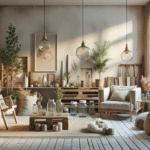
- Living Room: Opt for furniture made from FSC-certified wood or bamboo. Use throws and cushions made from organic cotton or linen. Consider a vintage rug rather than a newly manufactured one. Display unique finds from antique shops or craft fairs.
- Bedroom: Choose organic cotton or linen bedding. A reclaimed wood headboard adds character. Minimize clutter by selecting timeless, functional pieces rather than numerous decorative trinkets.
- Bathroom: Swap plastic toiletries for solid shampoo bars, bamboo toothbrushes, and refillable soap dispensers. Use organic cotton towels. A wooden bath mat or natural loofahs are excellent choices.
- Kitchen and Dining: Store food in glass jars, stainless steel containers, or beeswax wraps. Choose reusable cloth napkins over paper. Opt for ceramic or glass dinnerware, and consider a dining table made from salvaged wood.
Embrace Biophilic Design: Bringing Nature Indoors
Biophilic design integrates natural elements into your living spaces, enhancing well-being and reducing stress. Studies show that incorporating plants and natural light can improve mood, productivity, and indoor air quality.
Plants are a simple and effective way to add natural beauty and function. They act as natural air purifiers, removing common toxins and releasing oxygen. Select plants that thrive indoors and choose terra cotta or ceramic pots over plastic ones. Position furniture to maximize natural light, and use mirrors to reflect light into darker corners. Incorporating natural textures like wood, stone, and wool also contributes to a biophilic environment.
Sourcing Your Zero-Waste Decor in 2025
Finding zero-waste decor requires a mindful approach to shopping. Avoid fast home decor trends that encourage frequent replacement. Instead, invest in quality pieces from ethical sources.
- Second-hand Stores and Antique Shops: These are treasure troves for unique, pre-loved items. You can find everything from vintage furniture to art and ceramics, giving items a new life and reducing demand for new production.
- Local Artisans and Craft Markets: Support local artists who often use sustainable materials and ethical production methods. Their handcrafted items add character and authenticity to your home.
- Online Marketplaces: Platforms like Etsy or dedicated eco-friendly online stores often feature products made from sustainable materials. Always check seller reviews and product descriptions for details on sourcing and packaging.
- Brands with Sustainability Certifications: Look for brands that clearly state their commitment to sustainability, using certifications like OEKO-TEX for textiles or the aforementioned FSC for wood.
When ordering online, inquire about plastic-free packaging options. Many eco-conscious brands use recycled cardboard, paper tape, and biodegradable packing peanuts made from cornstarch. Some companies, such as Package Free Shop or Wild Minimalist, are known for their commitment to plastic-free shipping.
Practical Tips for a Zero-Waste Home
Transitioning to a zero-waste home is a journey, not an overnight switch. Start small and make gradual changes.
- Assess Your Needs: Before buying anything, consider what you truly need versus what you merely want.
- Declutter First: A minimalist approach is easier in a decluttered space. Donate, sell, or repurpose items you no longer need.
- Prioritize Durability: Invest in high-quality items that will last for years, reducing the need for frequent replacements.
- Repair Over Replace: Learn basic repair skills or find local businesses that can fix broken items.
- Educate Yourself: Stay informed about sustainable brands, materials, and practices.
By making conscious choices about what you bring into your home, you contribute to a healthier planet and create a more intentional living environment. Remember, every small step makes a difference.