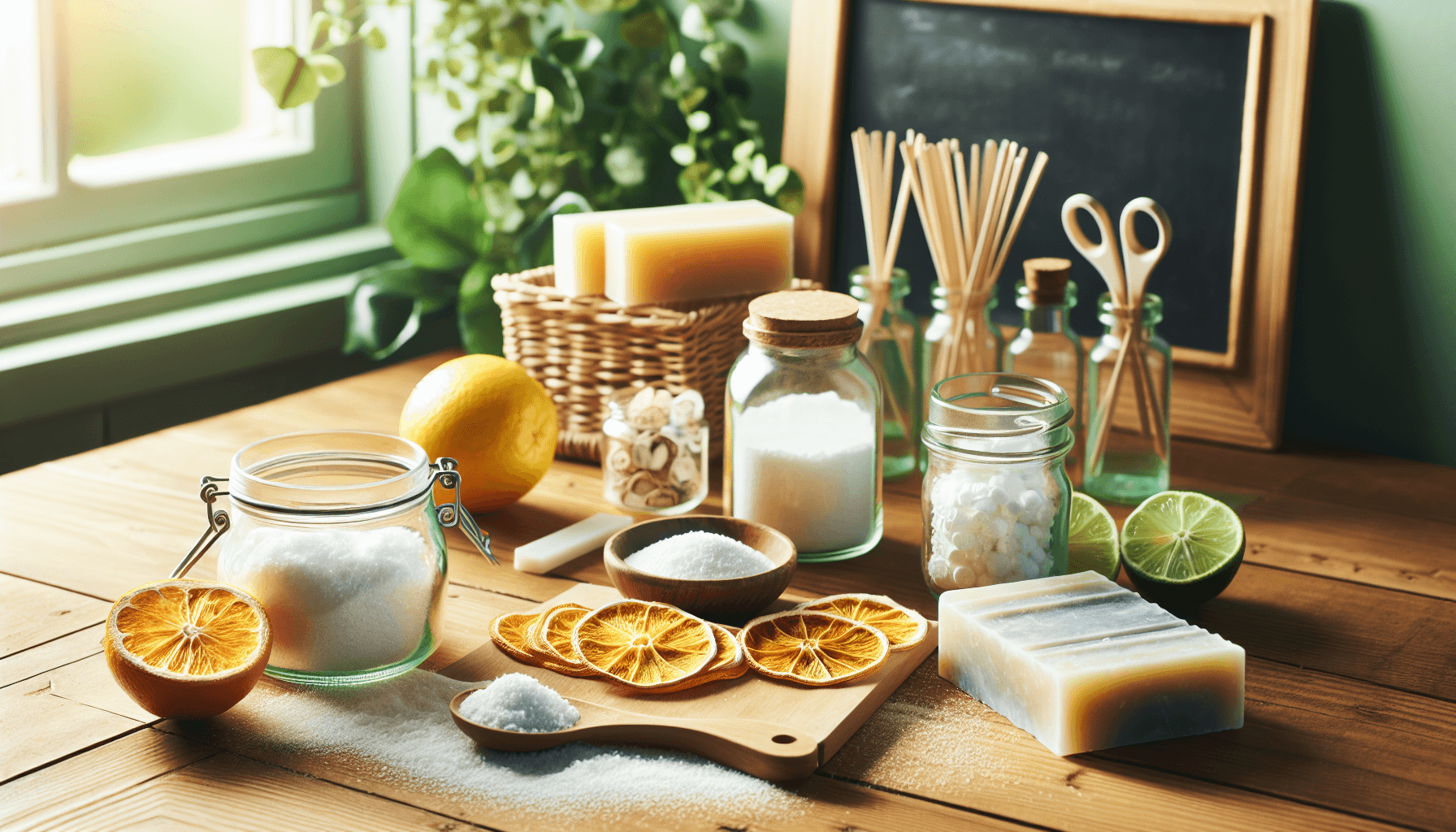
Making your own detergents at home is a practical step towards a zero-waste lifestyle. It tackles plastic packaging waste, reduces exposure to harsh chemicals, and can significantly cut down on household expenses. These recipes use simple, sustainably sourced ingredients that you can often buy in bulk, ideal for minimizing waste.
Zero-Waste Laundry Solutions
Shifting to homemade laundry detergent means effective cleaning without the typical environmental footprint of commercial products.
Homemade Liquid Laundry Detergent
This popular liquid laundry solution combines castile soap and washing soda. This formula aims to clean effectively and is generally suitable for various washing machines, though users of high-efficiency (HE) machines should be aware of potential foaming.

Ingredients (makes approximately 1 gallon):
- 1 cup liquid castile soap (choose a palm oil-free option to support sustainable practices)
- 1.5 cups washing soda (sodium carbonate)
- 12.5 cups water
- Optional: 10-15 drops essential oil for a subtle scent (e.g., lavender or lemon)
Instructions:
- Heat about 6 cups of water until it is very warm, but not boiling.
- In a clean gallon container, combine the liquid castile soap and washing soda.
- Pour the warm water over the ingredients and stir thoroughly until everything dissolves.
- Top the container with the remaining 6.5 cups of cool tap water. The mixture will appear as a clear, yellowish liquid.
- Use 1/4 to 1/2 cup per load, adjusting for load size and soil level. For HE machines, start with the lower end of the dosage to prevent excessive sudsing.
- Store in an airtight container in a cool, dark place. The mixture may separate over time; shake well before each use.
For larger households, consider scaling this recipe. Using 4 cups of liquid castile soap and 6 cups of washing soda with 20 cups of water can yield a larger batch, potentially reducing preparation frequency.
DIY Powder Laundry Detergent
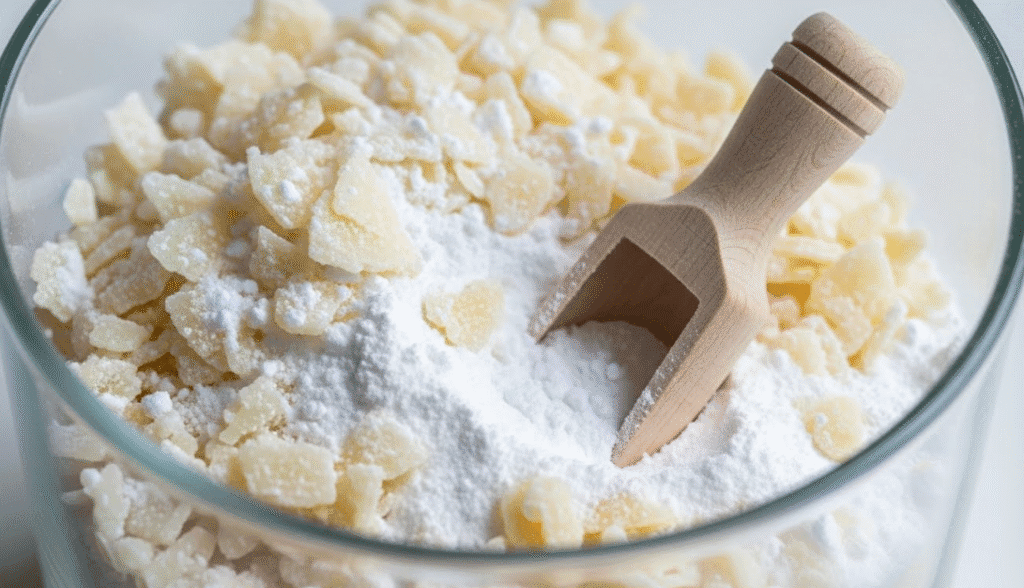
If you prefer a dry laundry soap, this simple recipe uses castile bar soap and baking soda or washing soda.
Ingredients:
- 1 cup grated castile bar soap (palm-free if possible, for environmental reasons)
- 2 cups baking soda (sodium bicarbonate) OR 2 cups washing soda (sodium carbonate)
- Optional: 1/2 cup citric acid for added brightening
- Optional: 10-15 drops essential oil for scent
Preparation:
- To convert baking soda to washing soda: Spread the baking soda in a thin layer on a baking sheet. Bake at 350°F (175°C) for 45-60 minutes, stirring occasionally. This process converts sodium bicarbonate into sodium carbonate, which is more alkaline and better for cleaning. The texture will change from grainy to a finer powder.
- Grate the castile soap bar using a cheese grater or food processor. Ensure it is very fine to dissolve well in the wash.
- Combine all dry ingredients thoroughly in an airtight container.
- Use 2-3 tablespoons per load. Adjust the amount based on the load size and how dirty the items are.
- Store in an airtight container to prevent clumping from moisture.
Zero-Waste Dish Soaps
Making your own dish soap helps reduce plastic waste and gives you direct control over the ingredients.
Homemade Liquid Dish Soap
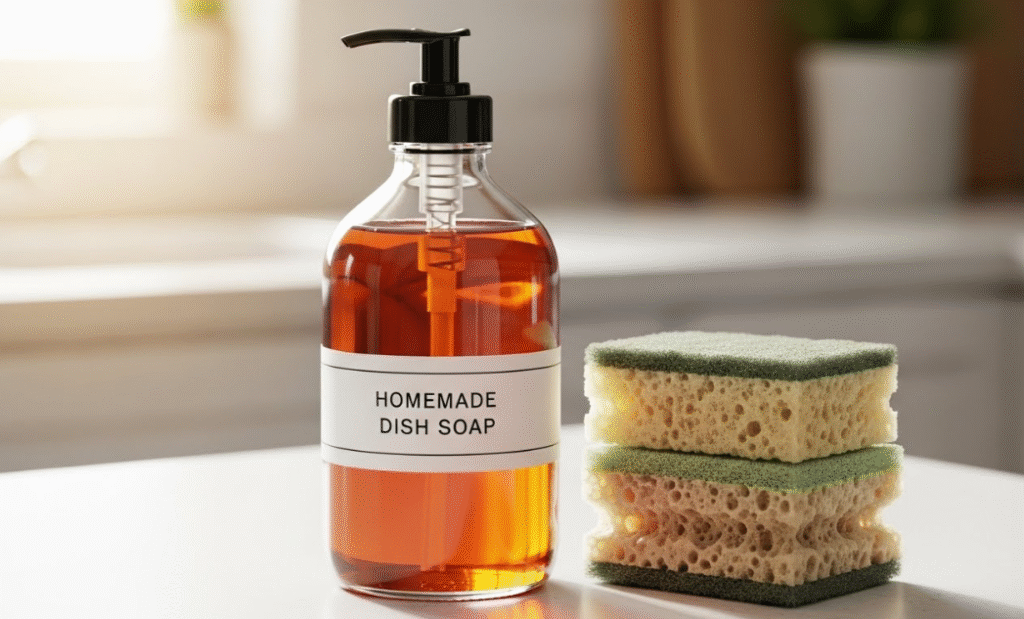
This liquid dish soap recipe uses basic ingredients and takes minimal time to prepare.
Ingredients:
- 3 tablespoons finely shredded unscented castile bar soap
- 1 teaspoon washing soda
- 15 drops essential oil (lemon or tea tree oil are good choices for grease cutting and antibacterial properties)
- 2 cups water
Instructions:
- Heat water in a pot until warm. Add the shredded soap and stir until it melts completely.
- Remove from heat and stir in the washing soda until it dissolves.
- Cover the pot and let the mixture sit for several hours or overnight. It will thicken as it cools.
- If the mixture becomes too solid, a hand blender can help achieve a smoother, liquid consistency. Add a little more warm water if necessary.
- Stir in the essential oil.
- Pour into reusable glass or stainless steel pump bottles for convenient storage and use.
- Store in a cool, dark place.
DIY Solid Dish Soap Bars
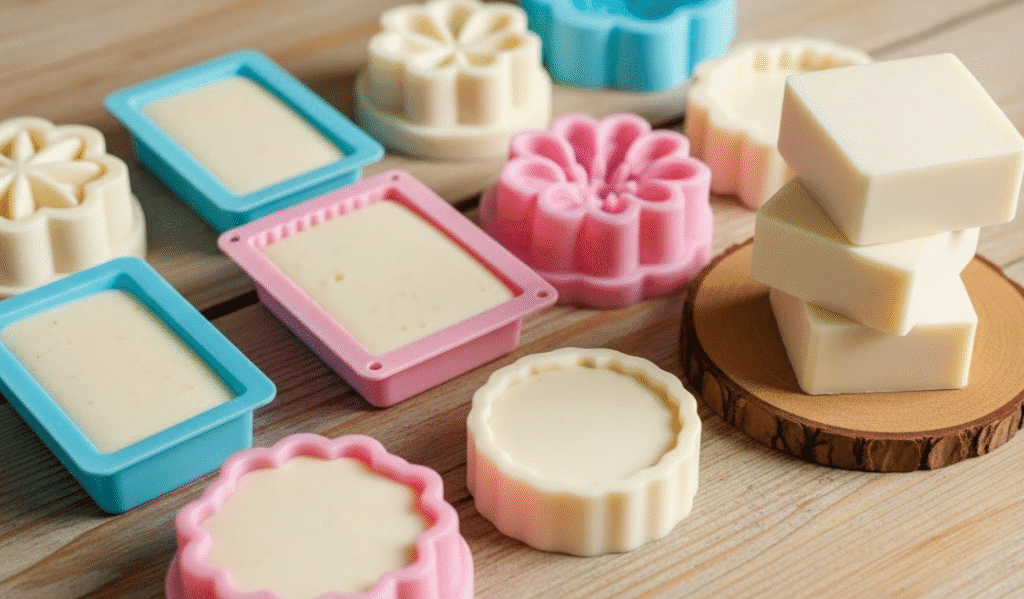
Solid dish soap bars are a long-lasting and convenient option for kitchen use and travel, eliminating the need for liquid soap bottles.
Ingredients:
- 1/2 cup melted coconut oil
- 1/2 cup liquid castile soap
- 1/4 cup baking soda (sodium bicarbonate)
- 2 tablespoons citric acid
- 10 drops orange or lemon essential oil
- 1/4 cup water
Instructions:
- Gently melt coconut oil over low heat in a small saucepan.
- In a separate bowl, whisk together the baking soda and citric acid.
- Slowly stir the liquid castile soap and water into the melted coconut oil, ensuring thorough mixing.
- Gradually add the dry ingredient mixture (baking soda and citric acid) to the wet ingredients, stirring constantly to prevent lumps.
- Stir in the essential oil.
- Carefully pour the mixture into silicone molds.
- Allow the bars to harden completely for 24-48 hours at room temperature, or longer if needed.
- Once solid, remove from molds and store in an airtight container or on a soap dish.
All-Purpose Cleaners for Every Surface
These versatile cleaners cover most household needs without requiring specialized products.
Basic Vinegar All-Purpose Spray
This simple cleaning solution combines vinegar and water, effective for many household surfaces. However, avoid using vinegar on natural stone (like granite or marble), cast iron, or unsealed grout, as its acidity can cause damage.
Ingredients:
- 1/4 cup white vinegar
- 3/4 cup water
- Optional: 5-10 drops essential oil (e.g., lemon, tea tree, or peppermint) for scent and added cleaning properties
Instructions:
- Combine white vinegar and water in a clean spray bottle.
- Add essential oils if desired and shake gently to mix.
- Spray directly onto surfaces and wipe clean with a microfiber cloth.
- Store at room temperature.
Important Safety & Usage Notes for DIY Detergents
When making and using homemade cleaning products, keep these points in mind for safety and optimal results:
- Ventilation: Ensure good ventilation when mixing ingredients, especially powders like washing soda, to avoid inhaling fine particles.
- Storage: Always store homemade detergents in clearly labeled, airtight containers, out of reach of children and pets. Some mixtures may separate; shake well before each use.
- Shelf Life: While these products do not typically expire quickly, liquid detergents containing water can eventually grow bacteria. It is best to use them within 1-2 months. Powdered detergents have a longer shelf life if kept dry.
- Skin Sensitivity: DIY detergents may have different pH levels than commercial products. If you have sensitive skin, wear gloves when handling ingredients or cleaning solutions, and perform a patch test on a small area first.
- High-Efficiency (HE) Machines: Homemade liquid laundry detergents can sometimes produce more suds than HE machines are designed for. Start with a smaller amount of detergent (e.g., 1/8 cup) and observe the suds level. Excessive suds can damage HE machines over time.
- Ingredient Research: Ingredients like borax, while commonly used in older DIY recipes, have varying opinions regarding safety. Always research specific ingredients to make informed choices based on your personal comfort and local regulations. The recipes above prioritize more widely accepted ingredients.
- Effectiveness Expectations: Homemade detergents are often effective for general cleaning, but their performance might differ from highly concentrated commercial products. Adjust quantities and methods as needed for heavily soiled items or specific cleaning challenges.
- No Regulation:** Homemade cleaning products are not regulated by bodies like the EPA or FDA. Users are responsible for their safe preparation and use.