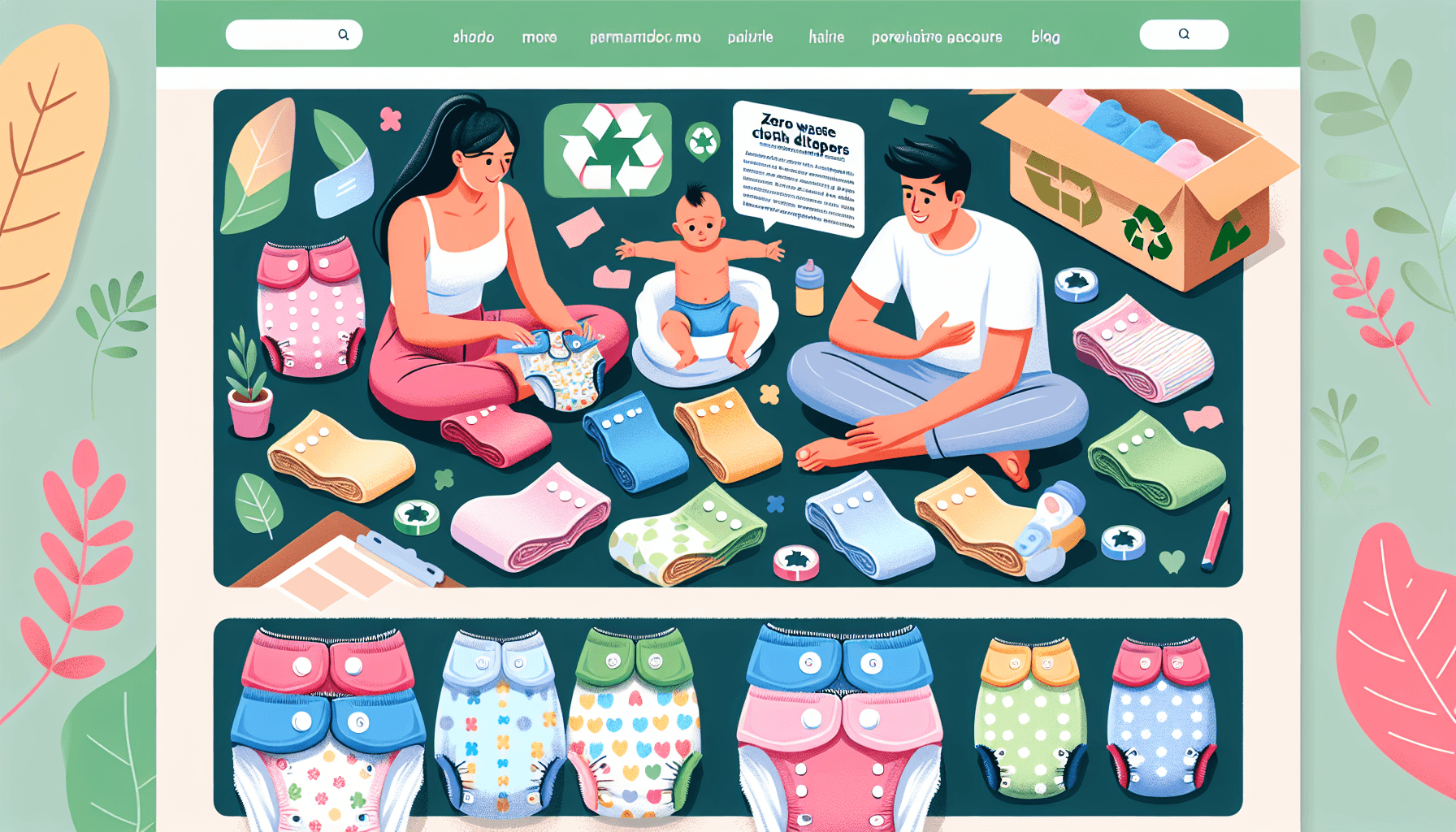
Considering cloth diapers? As of late 2025, they offer a compelling path for parents prioritizing both environmental responsibility and financial savings.
Choosing cloth diapers over disposables drastically cuts down on household waste and can save families significant money over time. This approach not only reduces landfill burden but also limits your baby’s exposure to numerous synthetic chemicals found in many disposable options.
The Growing Appeal of Cloth Diapers in 2025
The global cloth diaper market is experiencing robust growth. Valued at approximately $3.59 billion in 2025, it’s projected to reach $7.52 billion by 2032, with a Compound Annual Growth Rate (CAGR) of 11.13% from 2025-2032. This expansion is fueled by increasing environmental awareness and a preference for cost-effective, skin-sensitive products. Modern cloth diapers, including all-in-one and hybrid designs, have become more user-friendly, making them accessible to a wider range of parents.
Significant Financial Savings
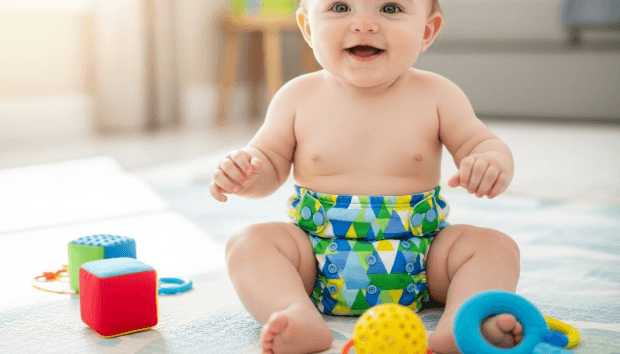
While disposable diapers represent an ongoing monthly expense, cloth diapers offer substantial long-term savings despite a higher initial investment. Families can save anywhere from $500 to $3,000 per child annually by choosing cloth over disposables. The upfront cost for a complete set of cloth diapers typically ranges from $300 to $700. However, the total cost for cloth diapering until a child is potty-trained (around 2.5 years old) averages $700-$900, compared to $2,000-$2,500 for disposables over the same period. These savings become even more pronounced if you plan to use the same cloth diaper stash for multiple children.
For context, an average child uses about 7,100 diapers before potty training. A well-maintained cloth diaper set can last 5-7 years, often through multiple children.
Environmental Benefits and Waste Reduction
The environmental advantages of cloth diapers are considerable. Disposable diapers contribute significantly to landfill waste, with approximately 20 billion disposed of annually in the U.S., accounting for about 3.6 million tons of waste. These diapers can take hundreds of years to decompose, releasing hazardous chemicals into the environment.
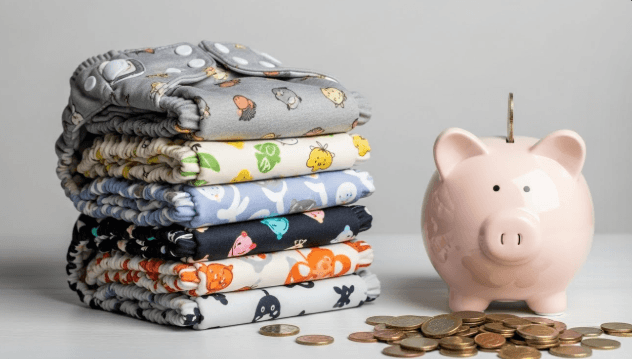
In contrast, cloth diapers are reusable, drastically reducing landfill waste. Studies from 2023 and 2024 indicate that reusable diapers can produce 25% less CO2 and have over 90% lower environmental impact from production compared to single-use disposables. While washing cloth diapers requires water and energy, innovations like high-efficiency washers and line-drying can mitigate this impact. Furthermore, using cloth diapers reduces the demand for raw materials like wood pulp and plastic needed for disposable diaper production.

Health Considerations for Babies
Many parents choose cloth diapers because they prefer fewer synthetic chemicals against their baby’s skin. Cloth diapers are typically made from natural, breathable materials like cotton, bamboo, or hemp, which generally do not contain perfumes, chlorine, or super-absorbent polymers found in many disposables. These ingredients can sometimes irritate sensitive skin or strip away protective bacteria.
A 2019 study highlighted that cloth diapers might reduce a baby’s exposure to harmful chemicals, pesticides, and fragrances, potentially benefiting infants with skin conditions like eczema. Also, the breathable nature of cloth can help prevent diaper rash by allowing better air circulation. Some research even suggests that cloth diapers may support earlier potty training because babies can feel wetness more readily.
Choosing the Right Detergent for Cloth Diapers
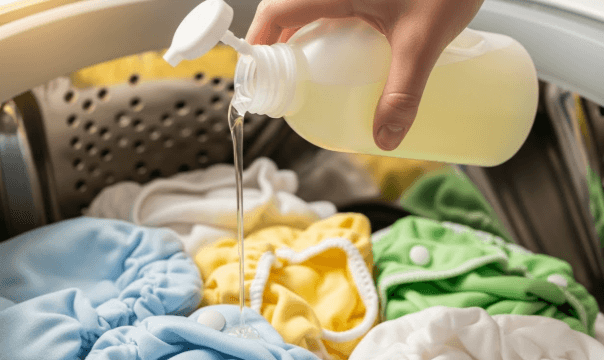
Effective cleaning is crucial for cloth diapers, and selecting the right detergent is key. Most mainstream detergents can work well, provided they contain sufficient enzymes and surfactants and are free from fabric softeners, bleach, and optical brighteners. Fabric softeners, in particular, can coat diaper fibers, reducing absorbency and causing leaks.
“Free & Clear” or “Baby-Safe” labels don’t always guarantee suitability for cloth diapers, so it’s important to check ingredients. Detergents with heavy perfumes or those that are not “clean-rinsing” should also be avoided, as they can leave residues that trap odor or irritate skin. Using warm or hot water is generally recommended for washing, followed by a cold rinse to prevent stains and remove residues.
The decision between cloth and disposable diapers involves weighing environmental impact, cost savings, and convenience. As of late 2025, modern cloth diapering presents a practical, eco-conscious, and financially advantageous option for many families.