Switching to a zero-waste lifestyle often starts with small, everyday items. Your toothbrush is a perfect example. We throw away billions of plastic toothbrushes every year, and most of them end up in landfills or polluting our oceans. Making a more sustainable choice for your oral hygiene can significantly reduce your environmental footprint, but finding the right alternative involves understanding different materials and disposal methods.
This guide will help you navigate the options available. The goal here isn’t perfection, but progress. We’ll look at handle materials, bristle choices, top brands, and how to properly dispose of your eco-friendly brush, giving you all the information you need to make an informed decision.
The Problem with Plastic Toothbrushes
Plastic toothbrushes have been around since the 1930s, and they typically last only three to four months before needing replacement. Consider how many brushes one person uses in a lifetime, then multiply that by billions of people globally. This adds up to an estimated 20 billion plastic toothbrushes discarded annually. Most are made from polypropylene plastic for the handle and nylon bristles. These materials are rarely recycled due to their mixed composition and small size, contributing significantly to plastic waste that takes hundreds of years to break down.
Zero-Waste Toothbrush Handles: Your Choices
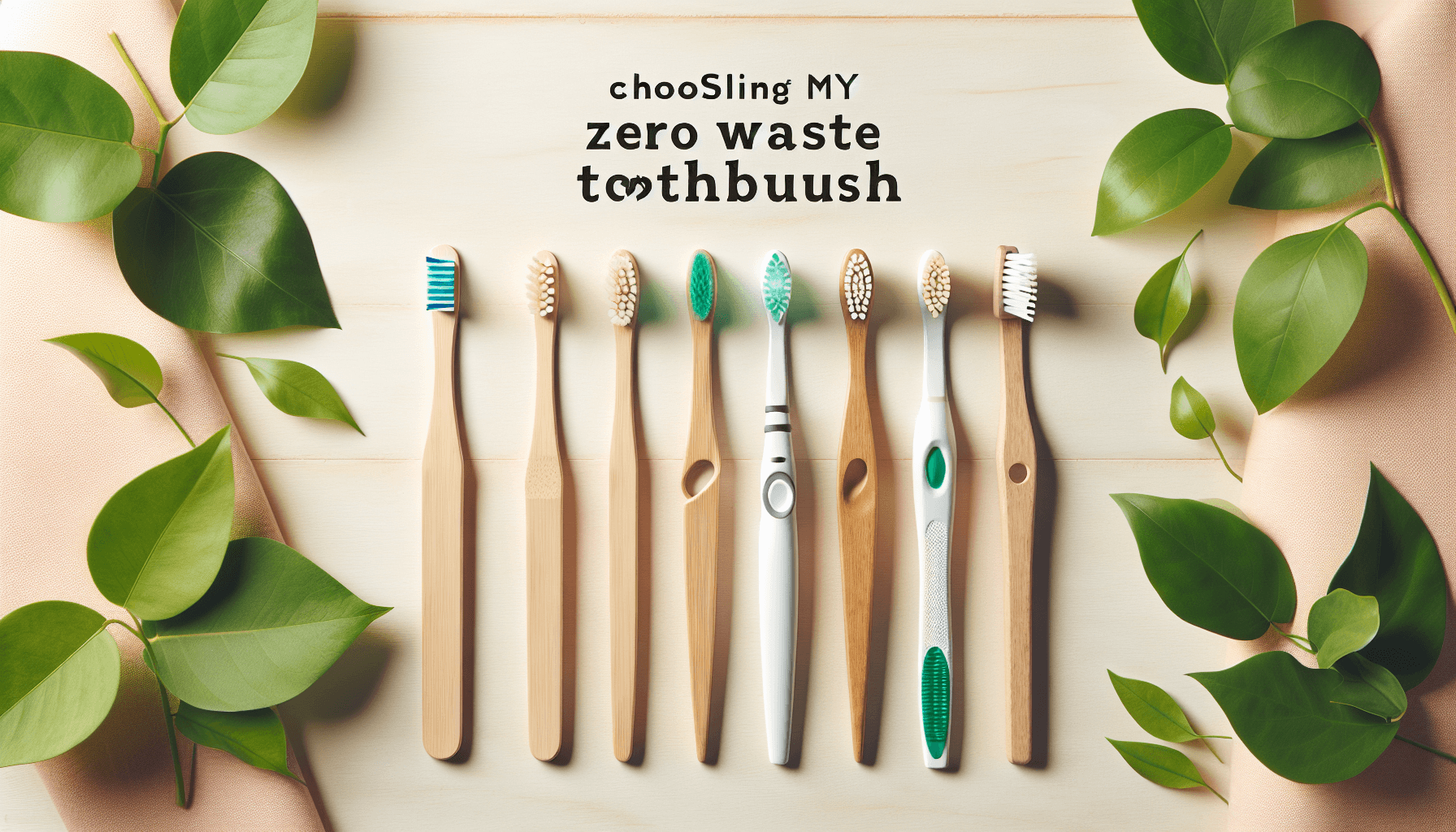
When you’re looking for an alternative, the handle material is the first thing to consider. Here are the most common eco-friendly options:
Bamboo Handles
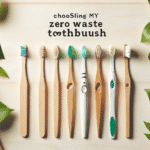
Bamboo is currently the most popular choice for zero-waste toothbrush handles. It’s a fast-growing, renewable resource that requires little water and no pesticides to grow. Bamboo is naturally antibacterial, which is a bonus for hygiene. Most bamboo handles are compostable at home once you remove the bristles. This makes them an excellent choice for reducing plastic waste.
Wooden Handles
Similar to bamboo, wooden toothbrushes offer a natural and biodegradable handle option. Often made from sustainably sourced beechwood or other timbers, these handles are also compostable. They provide a sturdy feel and a classic look, appealing to those who prefer natural aesthetics.
Cornstarch-Based (PLA) Handles
Some companies offer handles made from PLA (polylactic acid), which is derived from cornstarch or other plant starches. These handles are often marketed as “compostable.” However, most PLA products require industrial composting facilities to break down effectively, which aren’t always accessible for home composters. They are a better alternative to traditional plastic but require specific disposal conditions to be truly zero-waste.
Bristle Breakdown: The Toughest Call
While handles have made big strides, bristles are often the trickiest part of the zero-waste toothbrush equation. Most toothbrushes, even those with bamboo handles, still use nylon bristles. Here’s a look at the options:
Bio-Based Nylon (Nylon 6, Nylon 610, Nylon 612)
Many “eco-friendly” toothbrushes use bio-based nylon bristles, often Nylon 6, Nylon 610, or Nylon 612. These are still a type of plastic, but they are sometimes derived from castor bean oil or other plant sources rather than petroleum. While a step in the right direction, they are not biodegradable or compostable and must be removed from the handle before composting. This is the current industry standard due to nylon’s durability and hygiene.
Castor Bean Oil Bristles
Specifically, some brands highlight bristles made entirely from castor bean oil, like those found in Brush with Bamboo toothbrushes. These are considered a significant improvement over petroleum-based nylon. However, like other bio-based nylons, these bristles generally are not home compostable and usually need to be plucked out and discarded with regular waste before composting the handle.
Natural Animal Hair Bristles
Some niche brands, like Gaia Guy, offer toothbrushes with natural boar hair bristles. These bristles are biodegradable and compostable. However, they are not vegan, and some people have concerns about animal welfare or prefer synthetic options for ethical reasons. They also tend to be firmer than synthetic bristles.
Miswak Sticks
For a truly ancient and zero-waste option, miswak sticks are natural twigs from the Salvadora persica tree. Used for centuries, they naturally clean teeth and freshen breath without paste. They are completely biodegradable and sustainable. You simply trim the end and chew to form bristles. However, their cleaning efficacy might not match modern toothbrushes for everyone, and availability can vary.
Exploring Eco-Friendly Toothbrush Brands
Many brands are stepping up with sustainable options. Here are a few notable ones:
- TePe Choice: This brand offers a unique approach with a reusable handle made from sugarcane and replaceable heads made from castor oil. This design significantly reduces plastic use by keeping the handle for years. They focus on minimizing total material consumption.
- Brush with Bamboo: Known for its 100% plant-based toothbrushes, featuring a bamboo handle and bristles made entirely from castor bean oil. While the bristles aren’t home compostable, their commitment to plant-derived materials sets them apart.
- Gaia Guy: Offers bamboo toothbrushes with natural boar hair bristles, providing a fully compostable option for those comfortable with animal products.
- Humble Brush: A widely available option, offering bamboo handles with nylon-6 bristles. They also donate a portion of profits to oral health projects.
Disposing of Your Zero-Waste Toothbrush
Proper disposal is key to truly embracing a zero-waste mindset:
- Bamboo Handles: These are generally home compostable. Remove the bristles first.
- Wooden Handles: Similar to bamboo, these can be composted at home after bristle removal.
- Cornstarch (PLA) Handles: Check local regulations. Many require industrial composting. If not available, dispose of with regular waste.
- Bio-Based Nylon Bristles (including Castor Bean Oil): These are not compostable. Pluck them out using pliers and dispose of them with your non-recyclable waste.
- Natural Animal Hair Bristles: Fully compostable along with the handle.
- Miswak Sticks: Completely compostable.
Some brands offer take-back programs or encourage sending bristles to specialized recycling facilities that can handle hard-to-recycle plastics. Researching these options locally can make a difference.
Making Your Sustainable Switch
Choosing a zero-waste toothbrush means evaluating trade-offs. The ideal option depends on your values, access to composting, and ethical considerations regarding materials like animal hair. If you prioritize ease of use and widespread availability, a bamboo handle with bio-based nylon bristles is a solid starting point.
For those seeking the absolute lowest impact, a miswak stick might be ideal, if you’re comfortable with the traditional cleaning method. TePe Choice offers an excellent long-term solution by minimizing material consumption with its reusable handle. No matter which you pick, making the switch to a non-plastic toothbrush significantly reduces your contribution to plastic pollution. It’s a simple, impactful change you can make today.