Table of contents
You know that feeling? The one where you see those beautiful, glass-jar-filled pantries on Instagram and think, “I could never do that.” I certainly did. For years, the idea of “Zero Waste” felt like another impossible chore, something for young, single folks with endless time, not for a woman in her 40s juggling work, family, and the constant need to stretch a dollar.
The truth is, I failed spectacularly at trying to go full zero-waste. I bought a fancy stainless steel straw that I promptly lost. I tried making my own toothpaste, and let’s just say my husband staged an intervention. My initial attempts were a stressful, expensive mess.
But I refused to give up the core idea: reducing the sheer amount of trash piling up in our bins. So, I took a step back and decided to focus on my own routine—the tiny, unglamorous things I do every single day that generate predictable waste. I wasn’t aiming for “Zero”; I settled happily for “Zero-ish.”
What I found surprised me. It wasn’t just about the environment; these small, practical changes ended up saving us real money, which, frankly, made the whole thing stick.
This is just a record of my personal experiences and daily routines, not medical advice or professional counsel. Trust your own judgment most!
The Paper Towel Panic and My Kitchen Counter Reality
For the longest time, my biggest source of kitchen stress wasn’t cooking—it was the paper towel roll. It was a total convenience trap. Spilled coffee? Paper towel. Wiping hands? Paper towel. My family burned through a roll in three days, easy. I felt guilty every time I tossed one, but the convenience was addictive.
I tried buying those beautiful, patterned cloth napkins, but they felt too precious. They stained instantly, and then I was doing laundry just for little squares of cloth. Talk about an inefficient swap.
The “Why” That Made Me Stop and Think
The average cost of a paper towel roll isn’t much, but when you multiply that by 10 or 12 rolls a month? It adds up fast. More importantly, I realized the waste wasn’t just the paper; it was the entire process—from the tree to the plastic wrap to the delivery truck. I needed a practical, cheap, and easily washable solution.
My Real-Life Solution: The Cut-Up T-Shirt Routine
My breakthrough was utterly unglamorous: old T-shirts. Not rags from the hardware store, but the soft, stained, or too-worn cotton T-shirts my kids and husband were ready to toss. I took a pair of scissors and cut them into roughly 10×10 inch squares.
- I store them in a decorative basket right next to the sink—exactly where the paper towel roll used to be. \
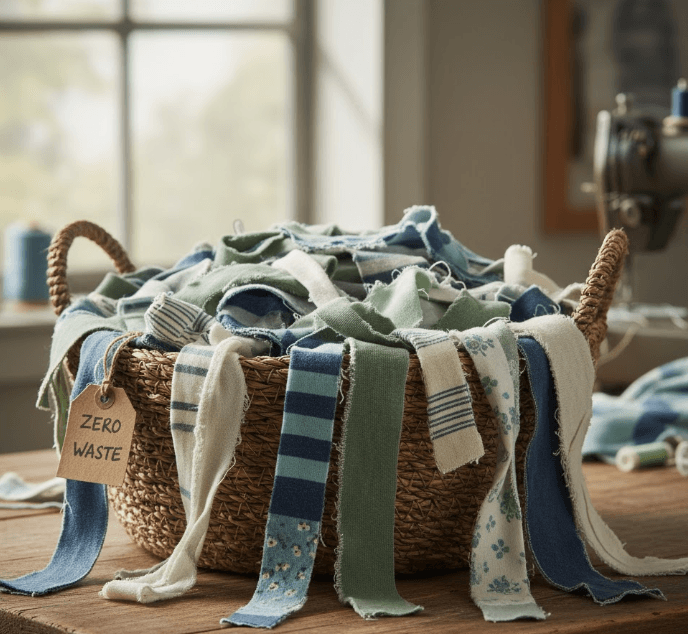
- I keep a small, open bin under the sink (a plastic ice cream tub, honestly) labeled “Dirty.”
- Any spill or wipe gets one T-shirt square. When the tub is full, I toss the whole thing in the next load of laundry.
It’s not perfect—sometimes a really greasy mess goes straight to the trash—but honestly, this one swap eliminated 90% of our paper towel use. We now buy a mega-pack maybe every six months for true emergencies. This single habit saves me about $5 a month—$60 a year! You can read about more swaps that actually worked for me on my friend’s blog, “Zero-ish Waste: 3 Swaps That Stuck (And 5 That Failed Miserably)“
The Unseen Cost of Coffee and My Bulk Buying Discovery
Being a 40-something, coffee is less a luxury and more a vital component of my survival routine. I used to buy my coffee beans pre-ground in those big, shiny plastic bags from the supermarket. While I loved the convenience, those bags created a mountain of non-recyclable plastic every month. Buying a huge grinder and whole beans initially seemed too complicated and expensive. The reality? It’s the opposite.
The Financial and Flavor Logic
My discovery wasn’t about saving the planet—it was about saving my taste buds and my wallet. A local coffee roaster mentioned to me one day that pre-ground coffee starts losing its flavor compounds, its “oomph,” as soon as it’s exposed to air. Grinding at home keeps the flavor locked in until I brew it.
Also, I found that buying beans in bulk from a local specialty shop—either using my own container or just their compostable paper bag—is almost always cheaper per pound than the pre-packaged, pre-ground varieties.
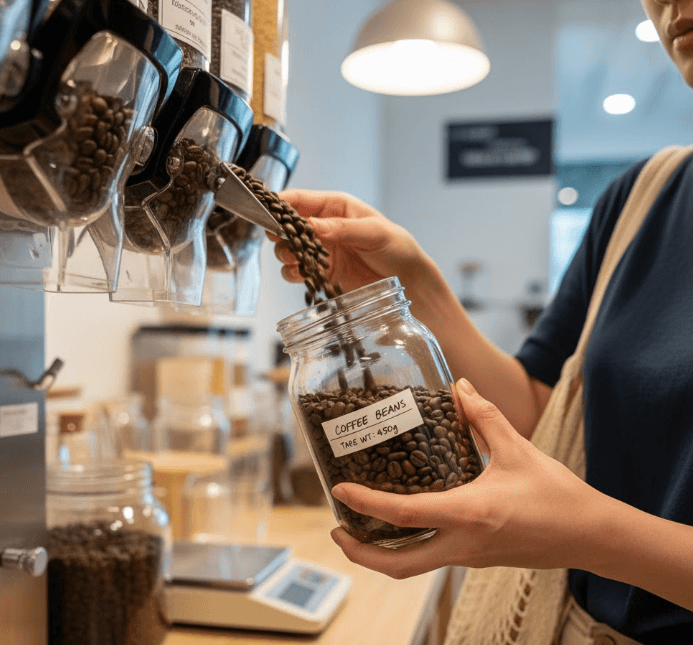
- I buy a two-pound bag of whole beans at a time.
- I grind just enough for the next day’s brew before I go to bed.
- I store the rest in the airtight container.
This small routine change—switching from pre-packaged plastic bags to bulk coffee and a home grind—not only improved my morning coffee experience but also lowered my average monthly coffee cost by nearly 15%. This easily adds up to about $40 in annual savings for a household that loves its caffeine.
Extended Tip: Coffee Ground Second Life
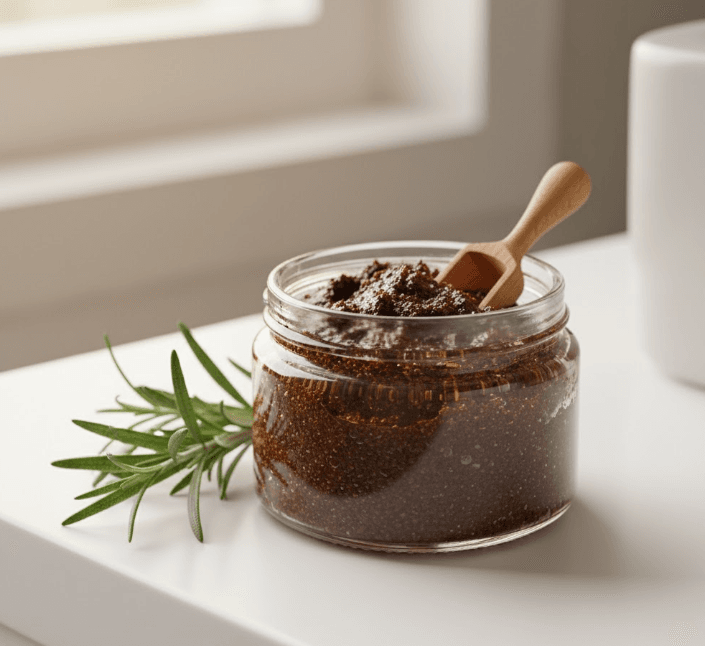
Don’t toss the grounds! I now mix the spent grounds with a little bit of coconut oil for a quick, homemade body scrub. It’s a great, free exfoliant, and it means I don’t buy those pricey scrubs in plastic tubes anymore. This kind of double-duty thinking is where the real zero-waste budget magic happens. For more ideas on using common kitchen waste to save money, I often check sources like Earth911’s kitchen waste hacks they have genius tips for things like citrus peels and eggshells, too.
Making it Stick: My Simple Philosophy
If you’re interested in reducing your waste, please don’t let the pressure of perfection get to you. My advice is simple, and it’s what has worked for me and my family:
- Identify Your “Big 3” Trash Items: Which three items do you toss the most? For me, it was paper towels, coffee bags, and plastic food storage bags. Focus only on those three until the change is automatic.
- Start with the Cheap and Easy: Don’t buy expensive, perfect new “zero waste” gear. Use what you have (like old T-shirts!) or look for budget-friendly swaps. I detail more budget swaps in this article, “Zero Waste Routine: 2 Budget Swaps That Save Me $50 a Year”.
- Accept Imperfection: Sometimes, I forget my reusable bag. Sometimes, a child gets takeout and brings home plastic utensils. It happens. You can’t win ’em all. The goal is the habit, not the exception. The moment you start feeling guilty is the moment you’ll want to quit.
Changing habits takes time, especially when you’re already busy. But when a small change not only cuts down on clutter and trash but also puts a little bit of money back in your pocket every month? That’s a routine I can definitely stick to. It’s about being consciously practical, not perfectly “green.”





1 thought on “Zero Waste That Saves Money: My $100/Year Routine for Busy 40s”