Table of contents
When I first heard the term “Zero Waste,” I pictured a tiny jar of trash for a whole year. I honestly thought, “There’s no way I can do that.” As a busy woman in my 40s, it felt like another huge, expensive task added to my plate.
I tried the extreme approach at first, purging all my plastic to buy new eco-friendly gadgets. It was a disaster. I spent too much and quit after two weeks, feeling like a total failure.
But I finally realized the secret: Zero Waste isn’t about being perfect; it’s about making smarter choices, slowly. It’s about building a manageable Zero Waste Routine one small, sticky habit at a time. And the best part? These small shifts have actually saved me money in the long run.
My First Failed Attempt & The ‘Use It Up’ Rule
My biggest mistake was the initial, enthusiastic purge. I bought a brand new metal razor, fancy bamboo toothbrushes, and a set of glass storage containers before I’d even finished the plastic items I already owned.
Why was this a fail? Because the most sustainable thing you can use is the item already in your house. I wasted perfectly good products and generated new trash (the old items) just to buy new, “better” items. It totally defeats the purpose.
Here’s the simple logic that saved my sanity: Don’t replace anything until the plastic version you currently have is completely gone.
I kept my old plastic containers and just committed to using them until they broke. When my last bottle of liquid soap ran out, that’s when I made the swap. This approach respects my budget and stops that overwhelming pressure. As one popular eco-writer says, “The most sustainable product is the one you already own.” (This guide on sustainable shopping agrees!) I’ve been sticking to this rule ever since, and it’s made the change feel genuinely sustainable for me.
Two Budget-Friendly Swaps That Pay for Themselves
As I started focusing on one small area at a time—like the experts suggest—I realized that the biggest “waste” culprits in my life were things I used every single day. I focused on small swaps that made a big difference to both my trash bin and my bank account. (Did you know zero waste practices lead to real financial savings?)
1. The $7 Kitchen Switch: Mesh Produce Bags

I was tired of peeling those flimsy, single-use plastic bags off the rolls every time I bought bell peppers or apples. My solution? A set of reusable mesh produce bags.
- How I Use Them: I keep them folded up inside my regular canvas shopping totes. When I get to the produce aisle at Target or my local grocery store, I just grab a mesh bag. They’re super lightweight, so the cashier doesn’t mind the weight difference, and they wash up easily.
- The Logic: For me, the math here is simple: a few dollars upfront saves hundreds of thin plastic bags from the landfill over a year. Plus, my fruits and veggies stay fresher in the fridge when they can breathe a little.
2. Ditching the Bottle for the Bar (and Saving Big!)
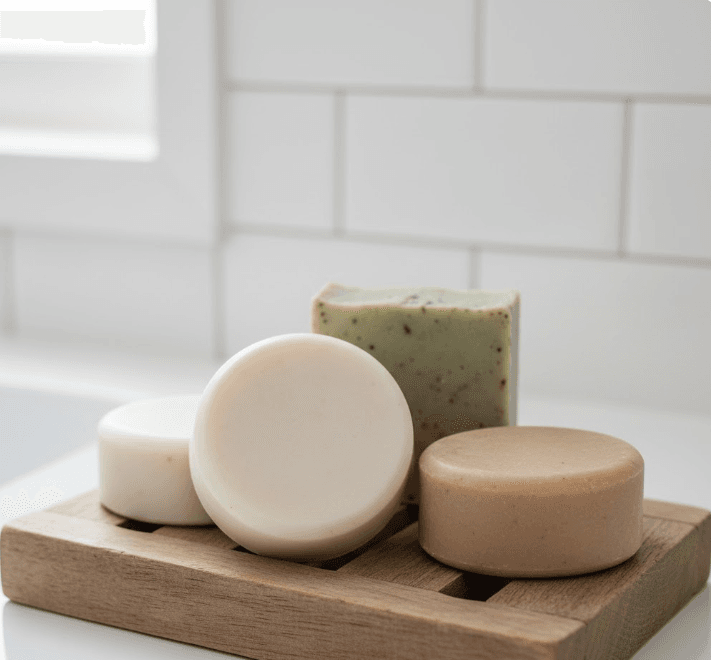
This is the big cost saver for me. I switched from liquid body wash and shampoo to solid bars.
- How I Use Them: I buy my favorite locally-made soap and a quality shampoo bar. I keep them on a little wooden rack in the shower so they dry out properly—if you let them sit in a puddle, they melt away fast, which defeats the purpose!
- The Economy Factor: A decent quality shampoo bar costs me about $12, but it lasts me at least three months, maybe four. I was going through a $10 bottle of liquid shampoo every five or six weeks. When I did the math, I realized I was saving nearly **$40 to $50 a year** just on hair products alone. That’s enough for a nice dinner out, you know?
What to Do When You Forget Your Bag (It Happens!)
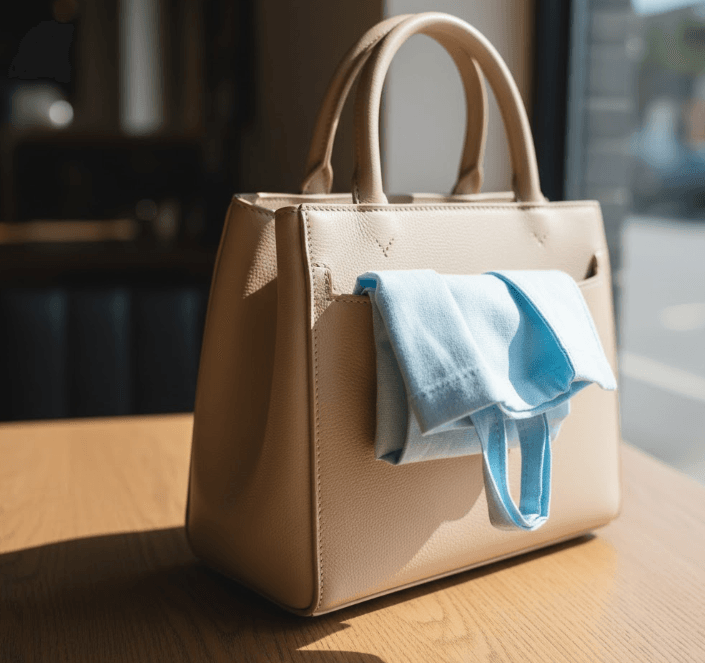
Let’s face it: we’re human. We’re busy. You’re going to forget your reusable shopping bag sometimes. I’m an expert at leaving mine on the kitchen counter. Instead of beating myself up and buying a new one at the register, I developed an emergency plan.
- The Purse Backup: I always, always keep a small, ultra-thin, cloth shopping bag folded up in a side zipper of my everyday purse. It’s so tiny I don’t even notice it’s there. This has saved me countless times when I’m running into the pharmacy for a quick grab.
- The ‘Embrace the Chaos’ Rule: If I forget my backup bag and it’s a small, manageable purchase (like a gallon of milk and a loaf of bread), I simply say, “Oh, I’m trying to cut down on waste, I’ll just carry this out, thanks!” You’ll be surprised how often cashiers don’t bat an eye. If it’s too much, I’ll ask if they have a paper bag, even if I have to pay the fee. In my state, they charge for plastic, so that little fee is a great motivator to remember my reusable ones next time!
Zero Waste is really about mindfulness, not perfection. You’re not going to be flawless, and that’s okay. The key is to pick one small thing that feels manageable today and stick with it. Don’t feel the pressure to go from 0 to 100 overnight. You’re doing a great job just by starting!

Related Reads
If you’re ready to dive a little deeper into making Zero Waste work for your budget and lifestyle, check out these helpful articles:





2 thoughts on “Zero Waste Routine: 2 Budget Swaps That Save Me $50 a Year”